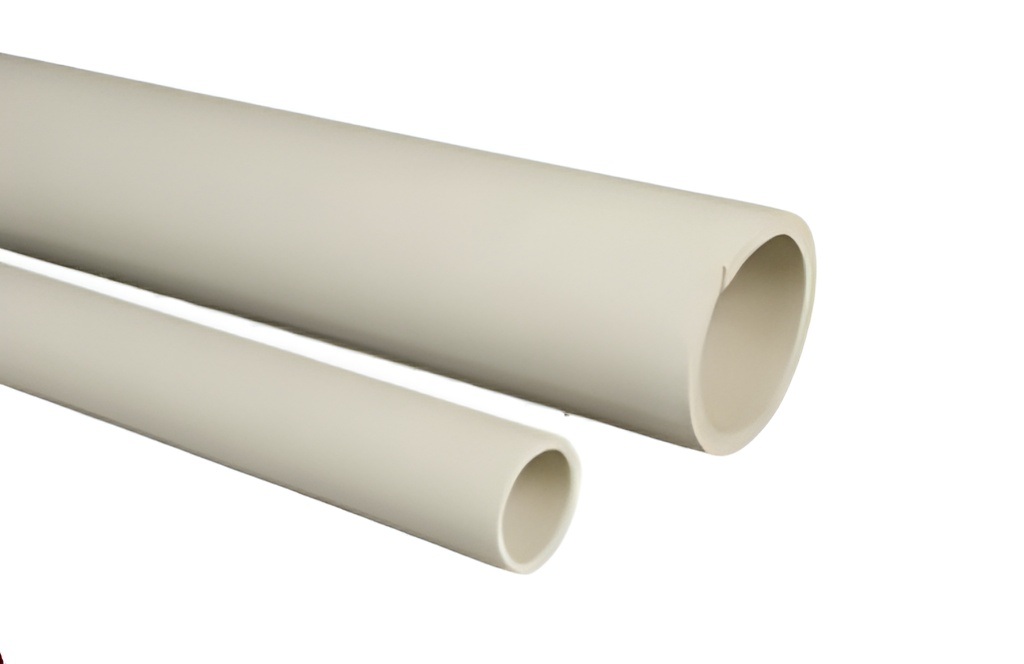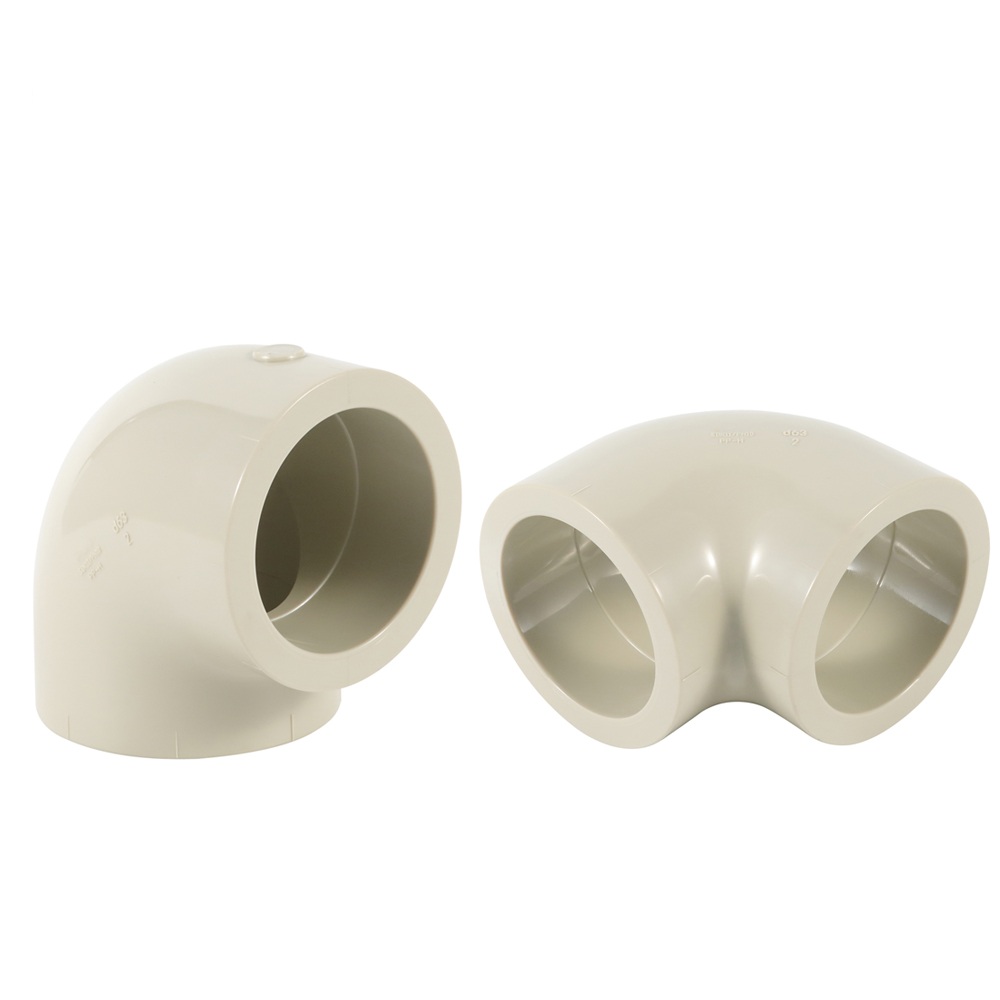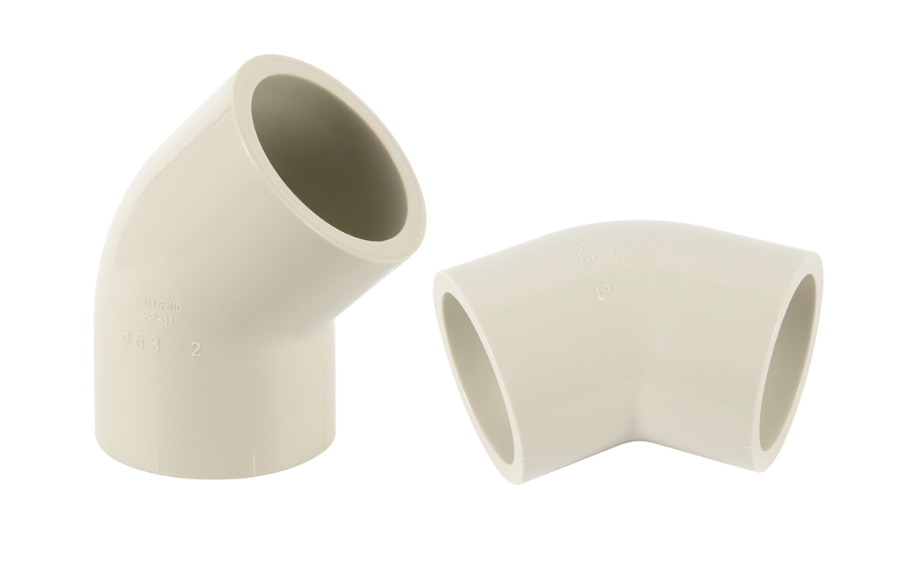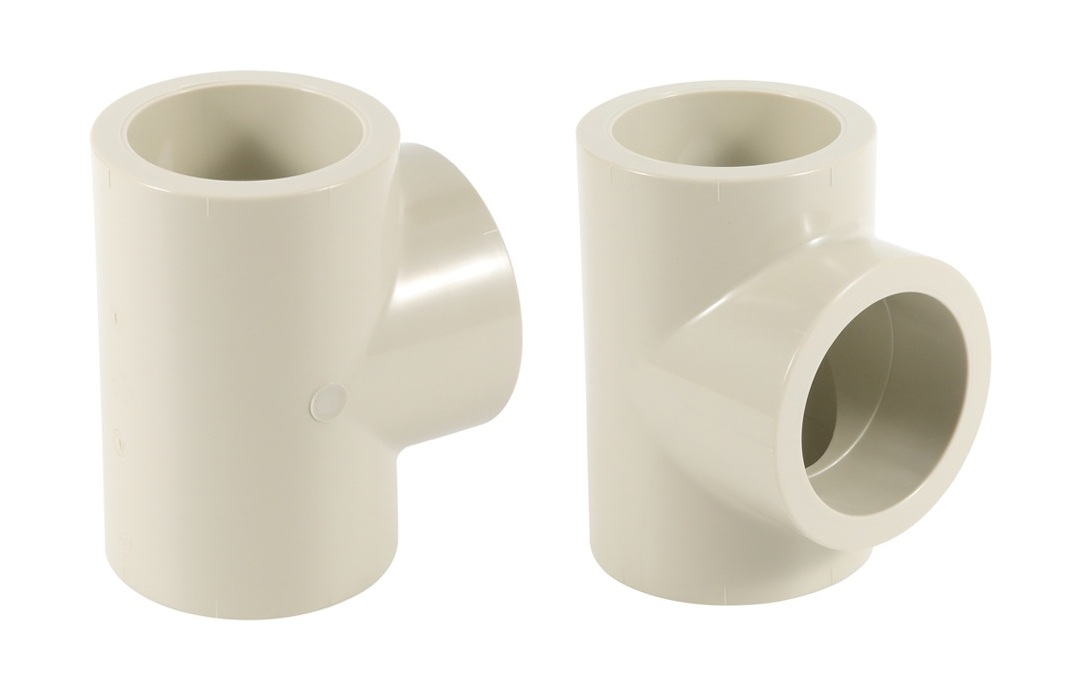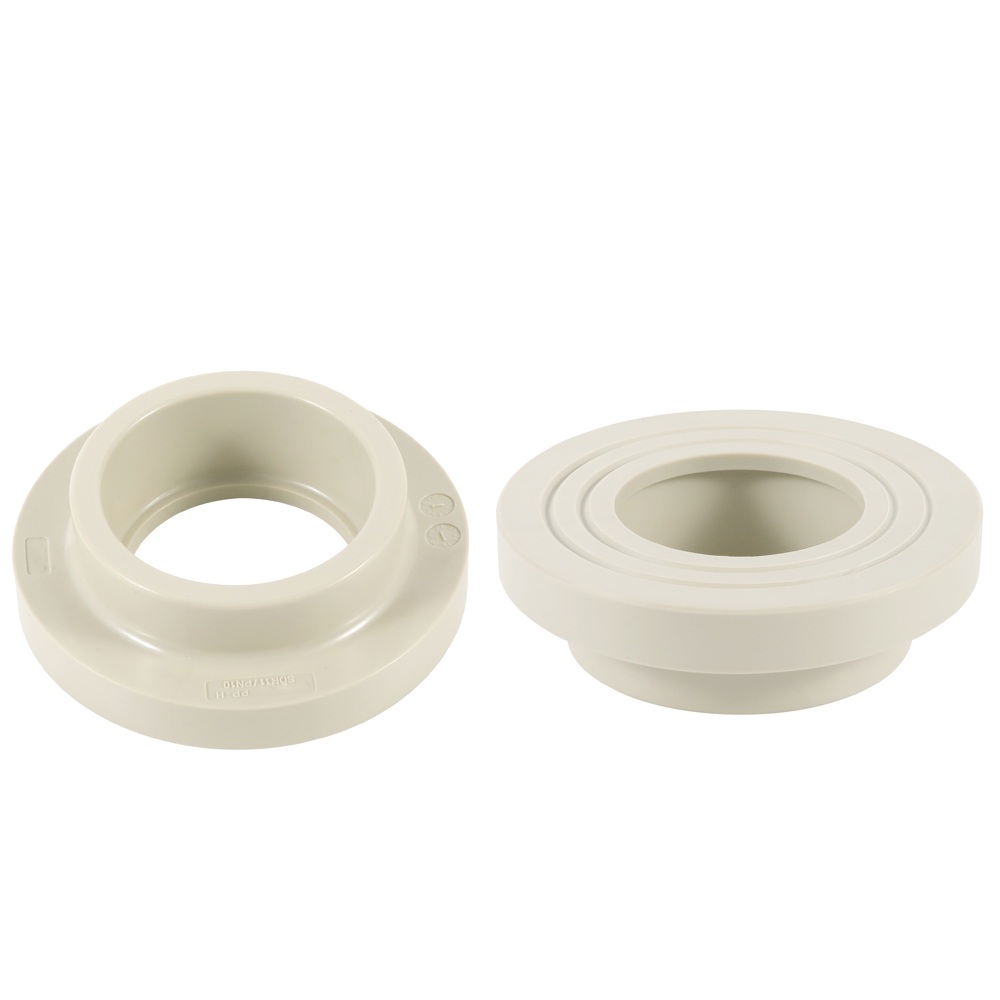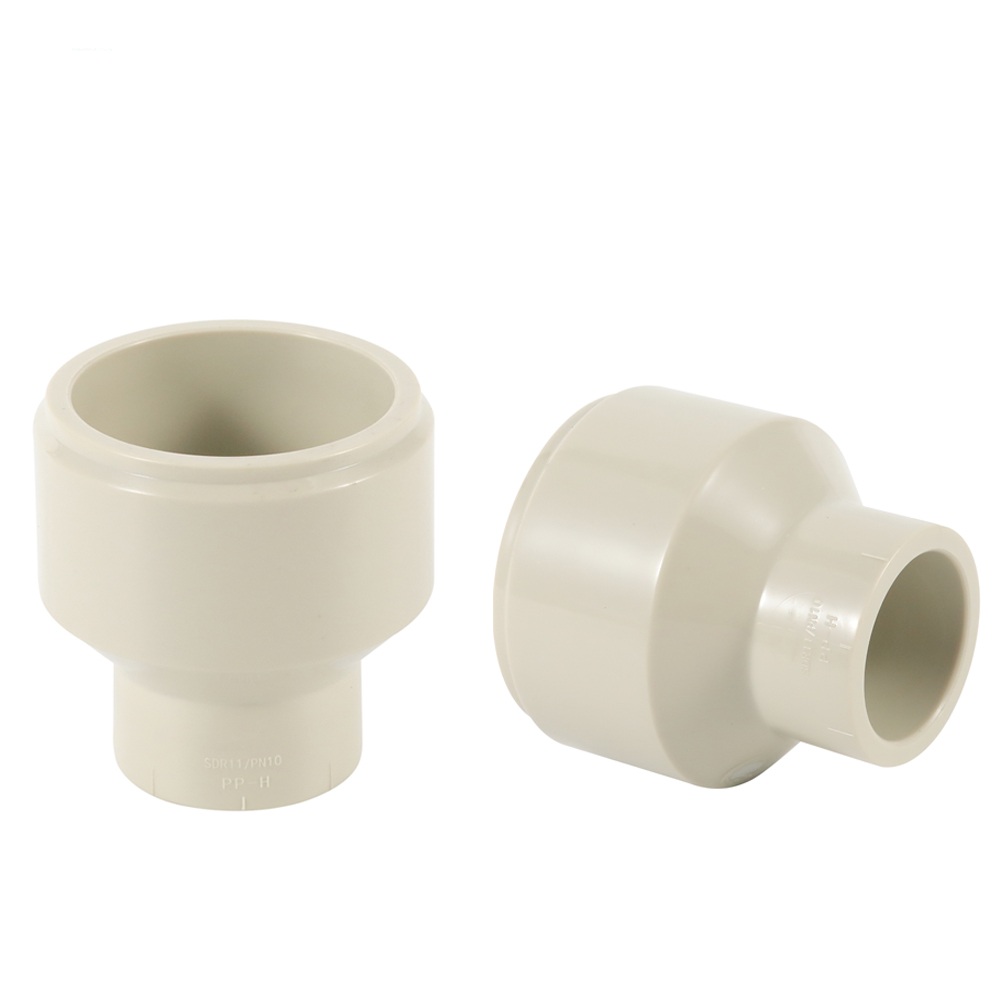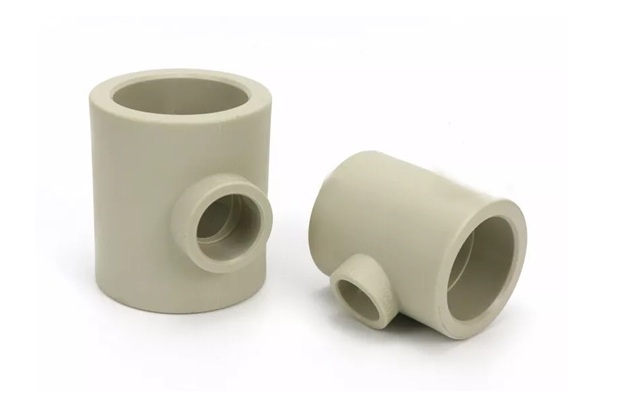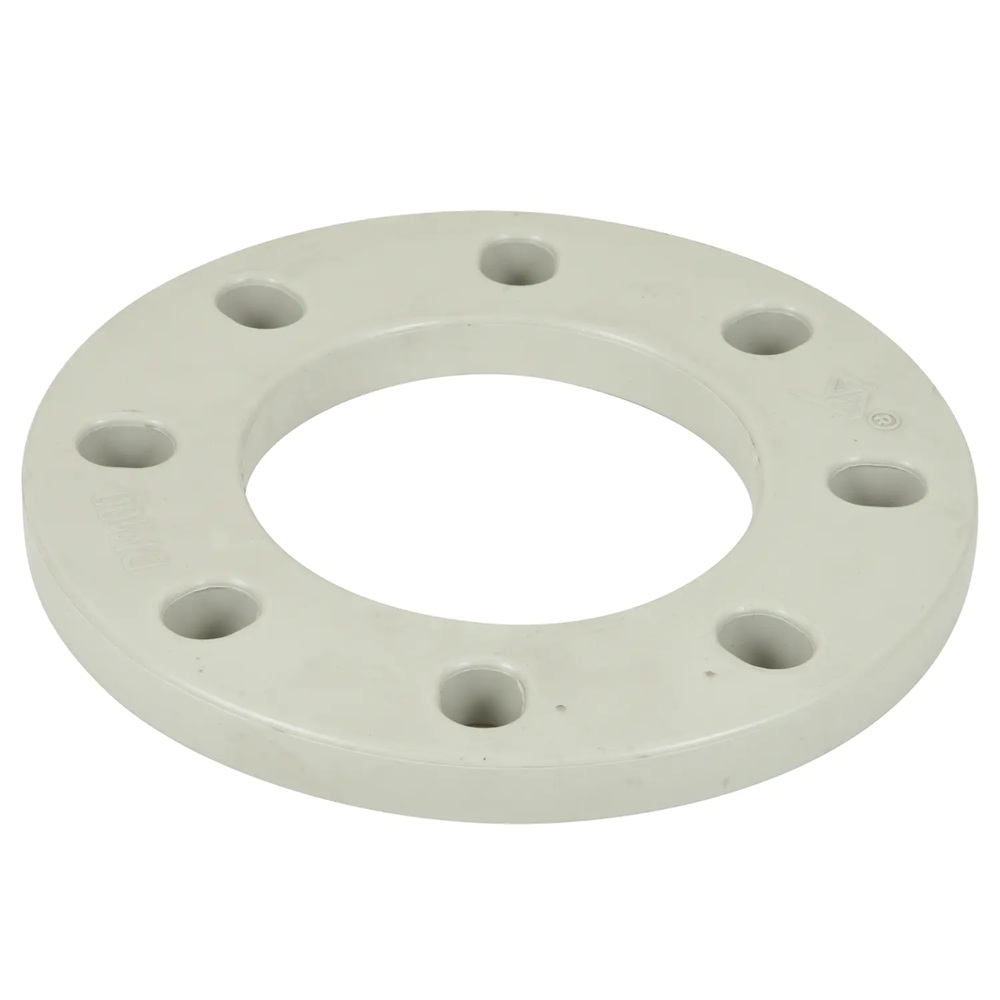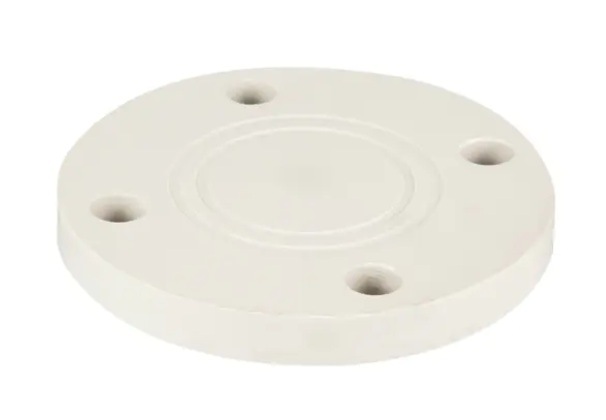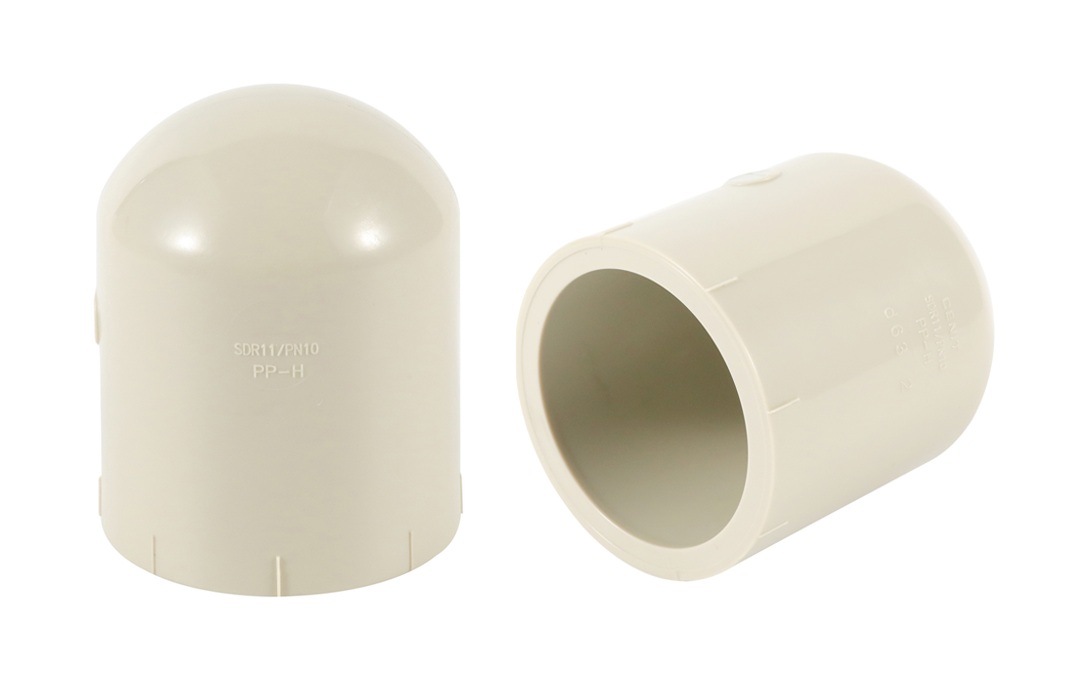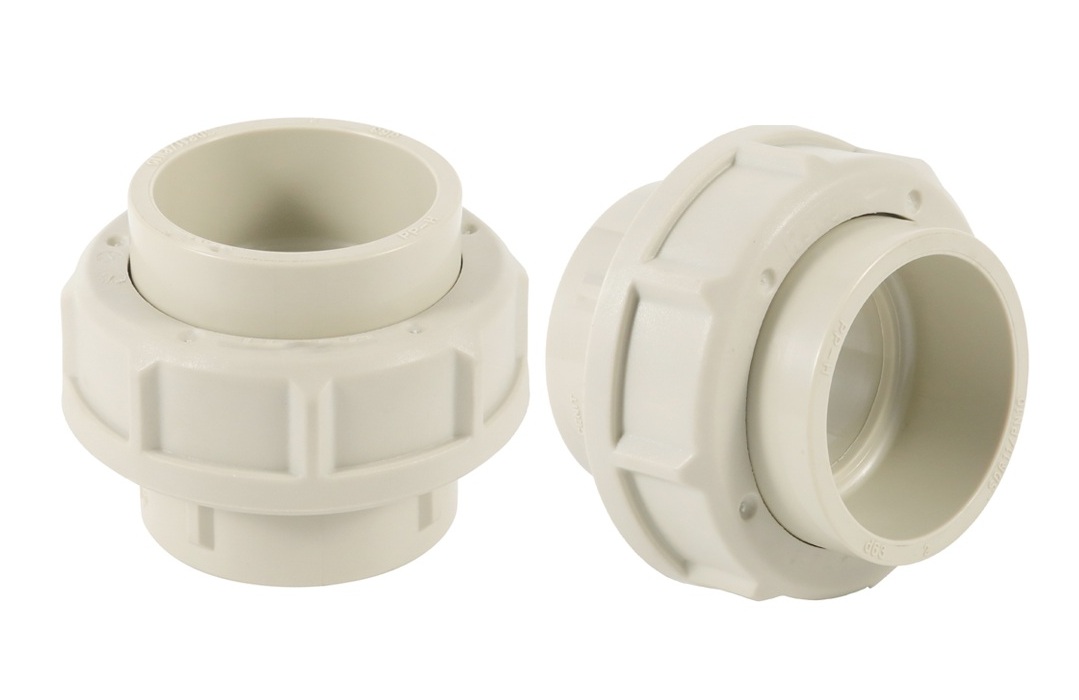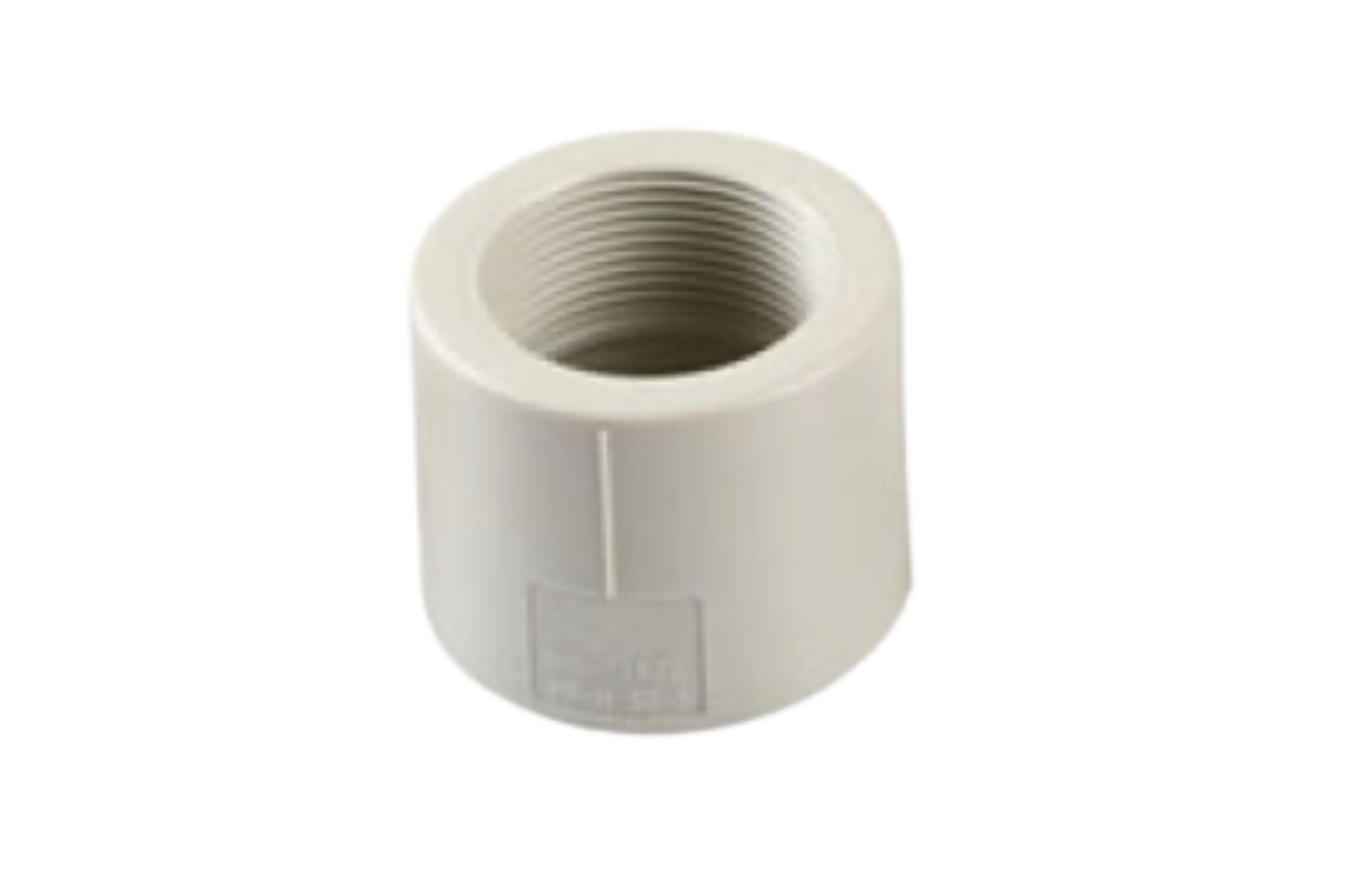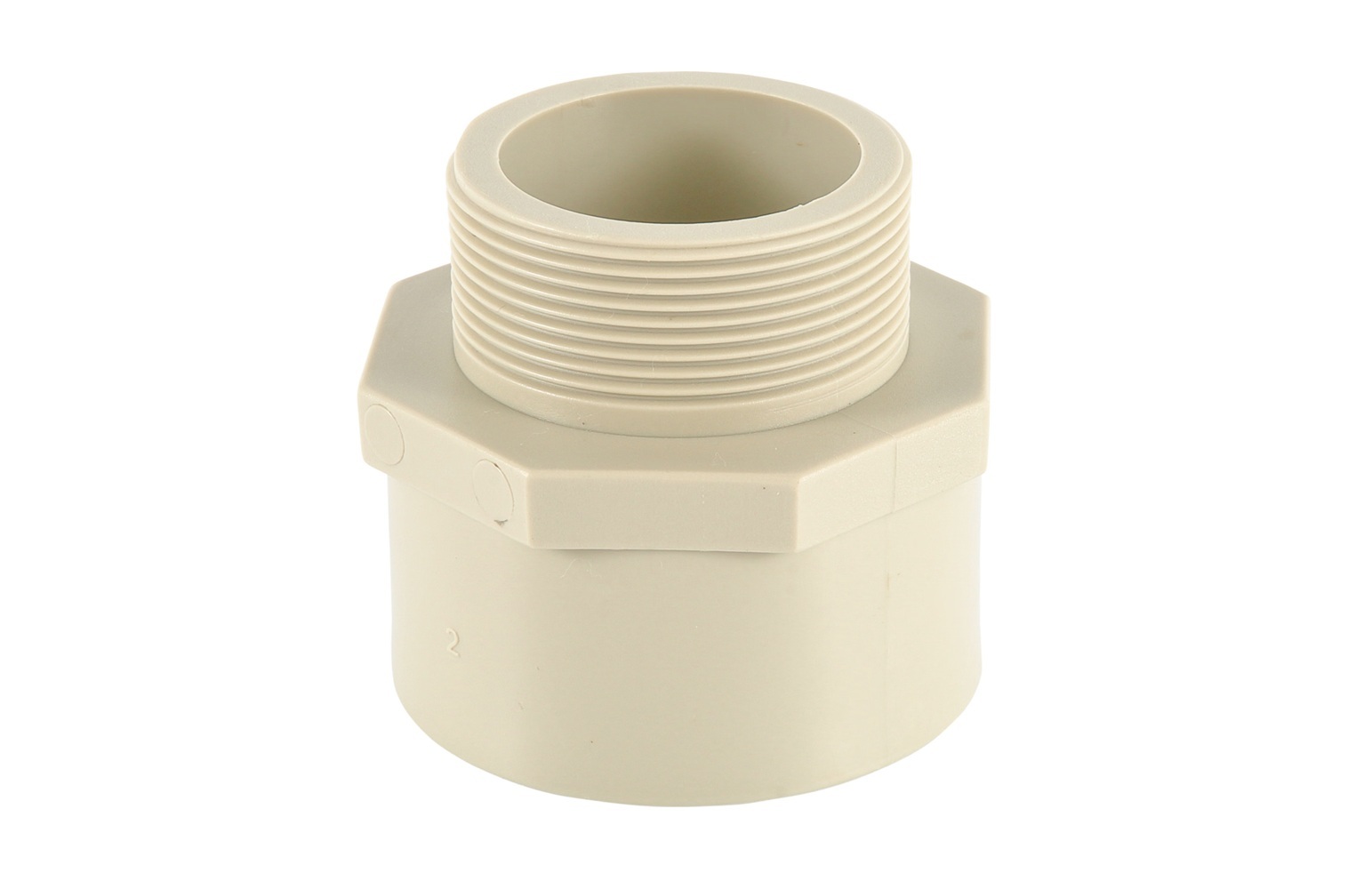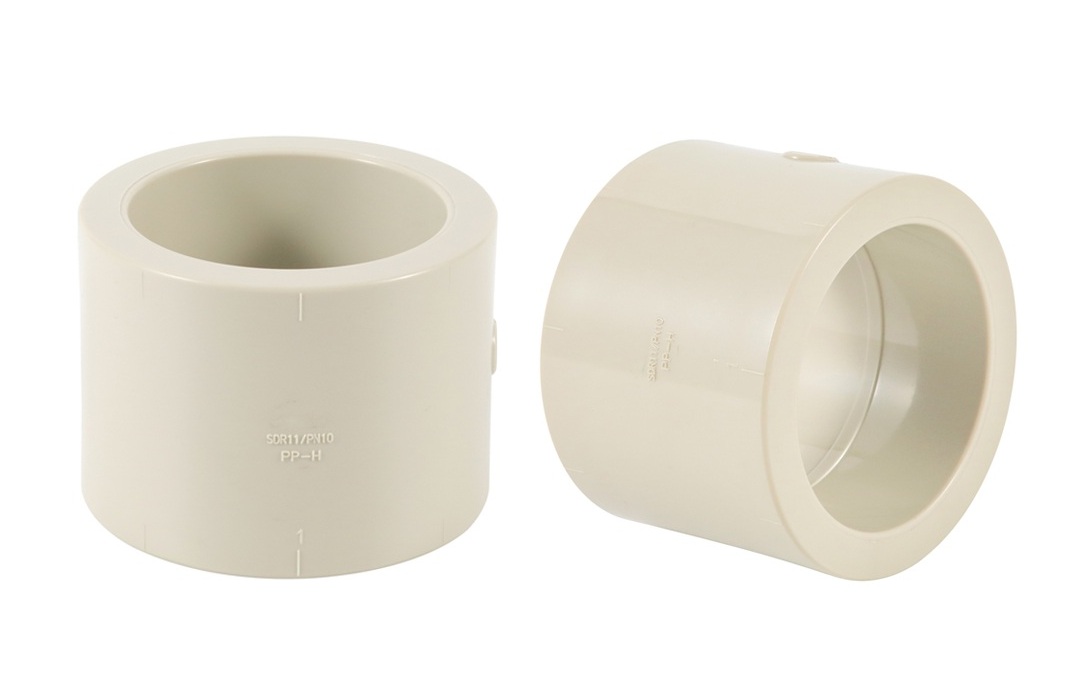
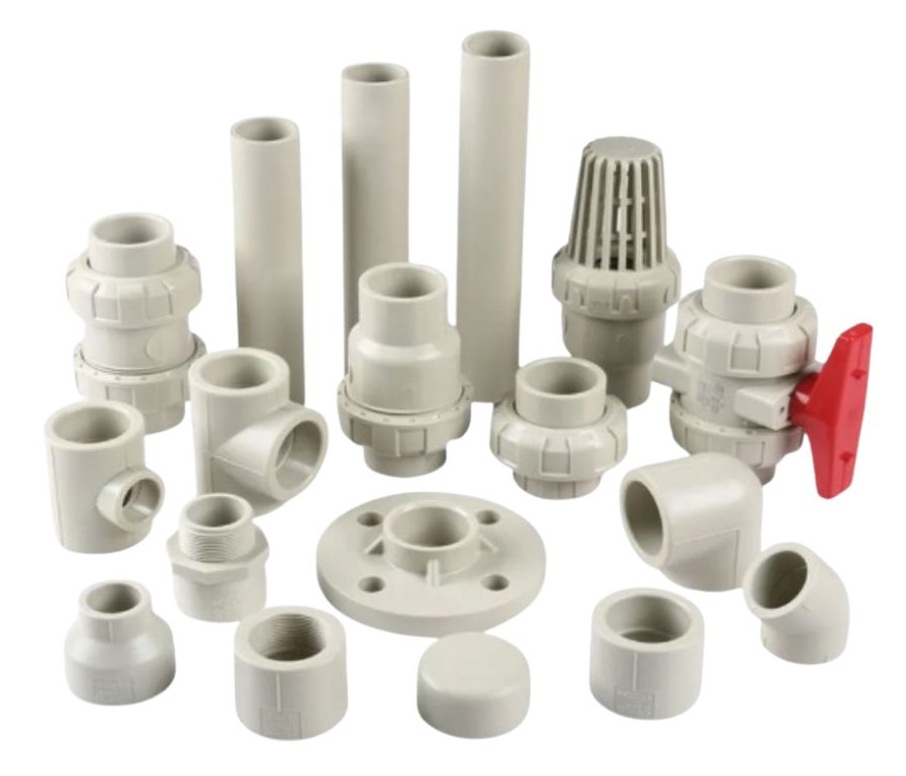
PPH Piping System
Features and Benefits of STARKE PPH Pipes & Fittings:
Superior Quality Materials
Using high-quality PPH raw materials ensures that the fittings have excellent tensile strength, durability, and chemical resistance.
Resistant to Stress Cracking
Starke PPH has the ability to resist stress cracking and enhances the reliability of our fittings, even under high-stress conditions.
Easy Welding and Installation
The welding properties of PPH make it easier to join pipe fittings, reducing installation complexity.
Working Temperature Range
PPH fittings are stable up to around 100°C, making them suitable for hot water, chemical systems, and other moderate temperature applications.
Practical Testing for Quality Assurance
Performing tests ensures the final product meets the required standards for real-world applications.
Chemical Resistance
PPH is highly resistant to a wide range of chemicals, making it ideal for industries like chemical processing and water treatment.
Corrosion Resistance
Unlike metal pipes, PPH will not rust or corrode when exposed to moisture or chemicals, leading to longer service life.
Lightweight
PPH pipes are lighter than metal pipes, making them easier to handle and install.
Cost-Effective
PPH provides a cost-effective solution for industries that require a balance between performance and budget.
Low Maintenance
Due to their durability and resistance to many types of degradation, PPH pipes require less maintenance than other types of pipes.
Applications of PPH Piping System
- Chemical Plants
- Water Treatment
- Metal Processing
- Food Industry
- Pharmaceutical
- Pulp & Paper
- Automotive
- Nuclear
1. Chemical Processing
- Transporting aggressive chemicals, acids, and solvents.
- Handling chemical reaction vessels, filtration, and mixing systems.
2. Water Treatment
- Used in water filtration, desalination, and wastewater treatment plants.
- Transporting treated water or chemicals in water systems.
3. Food & Beverage Industry
- Safe for transporting food-grade liquids like milk, juices, and soft drinks.
- Used in beverage production, dairies, and sterilization systems.
4. Pharmaceuticals
- Piping for fluid transfer in pharmaceutical manufacturing.
- Safe for handling sensitive, sterile compounds and water for injection (WFI) systems.
5. HVAC Systems
- Transporting hot water in heating systems and air conditioning units.
6. Aquaculture
- Used in water circulation and fish farming systems for both fresh and saltwater.
7. Pulp & Paper Industry
- Transporting chemicals and pulp slurry in the paper manufacturing process.
8. Marine & Offshore
- Corrosion-resistant piping for marine applications, including onboard fresh water and drainage systems.
9. Hydraulic Systems
- Fluid transfer in hydraulic systems requiring durable, corrosion-resistant piping.
10. Electronics & Electrical
- Used as conduit or insulation for electrical cables and systems.
11. Waste Management
- Transporting industrial waste, including slurry and wastewater, in treatment plants and disposal systems.
Properties of PPH Piping
PPH (Polypropylene Homopolymer) piping is commonly used in industries such as chemical, food processing, and water treatment. It is known for its high chemical resistance, strength, and durability, as well as its ability to withstand high temperatures. Below are the key properties of PPH piping:
1. Chemical Resistance
- High resistance to most chemicals, including acids, alkalis, and solvents.
- Suitable for transporting chemicals such as hydrochloric acid, sulfuric acid, and others, depending on concentration.
2. Temperature Resistance
- Max Operating Temperature: PPH piping can withstand continuous temperatures of up to 90°C (194°F) and can handle short-term spikes up to 100°C (212°F).
- Not as temperature-resistant as other materials like PVDF (Polyvinylidene Fluoride), but still suitable for most industrial applications.
3. Mechanical Properties
- Tensile Strength: Typically in the range of 30-45 MPa, which provides excellent strength under pressure.
- Impact Strength: PPH pipes are somewhat brittle at lower temperatures, so they are less impact-resistant than some other plastics.
- Stiffness: High stiffness, which makes PPH pipes structurally strong but can also make them prone to cracking under impact or stress.
4. Durability
- Long Service Life: PPH pipes have a long lifespan and can remain functional for many years, even under harsh conditions.
- UV Resistance: PPH piping can degrade when exposed to UV light, so it may require protective coatings or be used in underground or shielded installations.
5. Corrosion Resistance
- Non-corrosive: Unlike metals, PPH piping does not corrode, making it ideal for environments with aggressive chemicals and moisture.
6. Flexibility & Ease of Installation
- PPH piping is relatively lightweight, which makes handling and installation easier compared to metal piping systems.
- Easier to fabricate and weld compared to other plastic materials like PVC.
7. Density
- Density: Typically around 0.9-0.91 g/cm³, which makes it less dense than water, allowing it to be lighter than most other piping systems
8. Thermal Expansion
- PPH has a relatively high coefficient of thermal expansion (about 0.15 mm/m°C), so allowances must be made for expansion and contraction in temperature-sensitive applications.
9. Electrical Properties
- Insulating: PPH pipes are electrically non-conductive, which is useful in systems where electrical conductivity could be a concern.
10. Welding & Joining
- PPH pipes can be welded using methods like butt welding, electrofusion, or socket welding, which provide strong, leak-resistant joints.
- Joining requires proper technique to avoid leaks and ensure the integrity of the system.
11. Cost
- PPH is typically more affordable than other high-performance plastics like PVDF, making it a cost-effective option for many industrial applications.
PPH Material Properties Chart
Properties | Value | Unit | Test Method | |||||
|---|---|---|---|---|---|---|---|---|
Density | 0.90 – 0.91 | g/cm3 | ISO 1183 | |||||
Melt Flow Rate (230 °C / 2.16kg) | 0.3 – 0.7 | g/10min | ISO 1183 | |||||
Tensile Modulus | >1700 | MPa | ISO 527 | |||||
Tensile Strength at Yield | >28 | MPa | ISO 527 | |||||
Tensile Strength at Break | >32 | MPa | ISO 527 | |||||
Elongation at Yield | >8 | % | ISO 527 | |||||
Elongation at Break | >80 | % | ISO 527 | |||||
Notch impact strength (23 °C) | >40 | KJ/m2 | ISO 179 | |||||
Shore Hardness | 70 | Shore-D | ISO 868 | |||||
Heat deflection Temperature | 100 | °C | ISO 306 | |||||
Vicat Softening Temperature | 158 | °C | ISO 306 | |||||