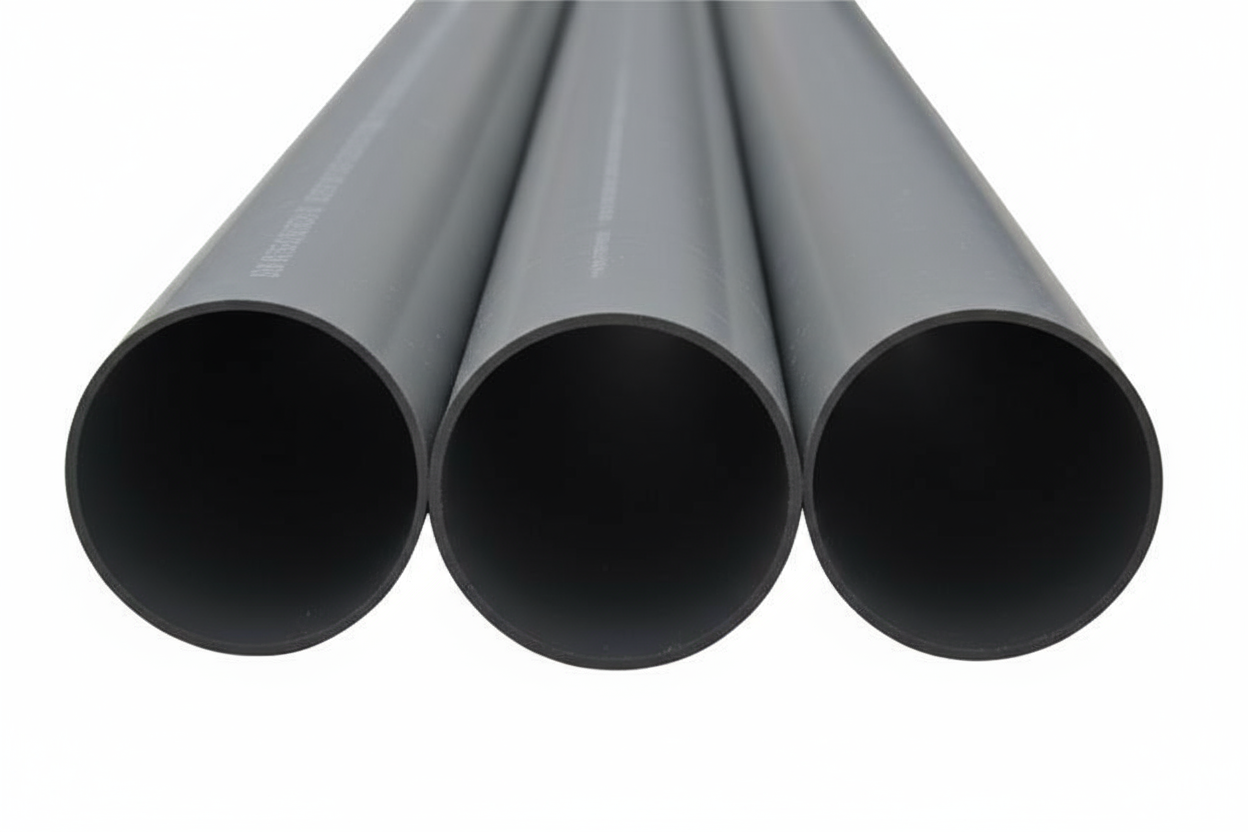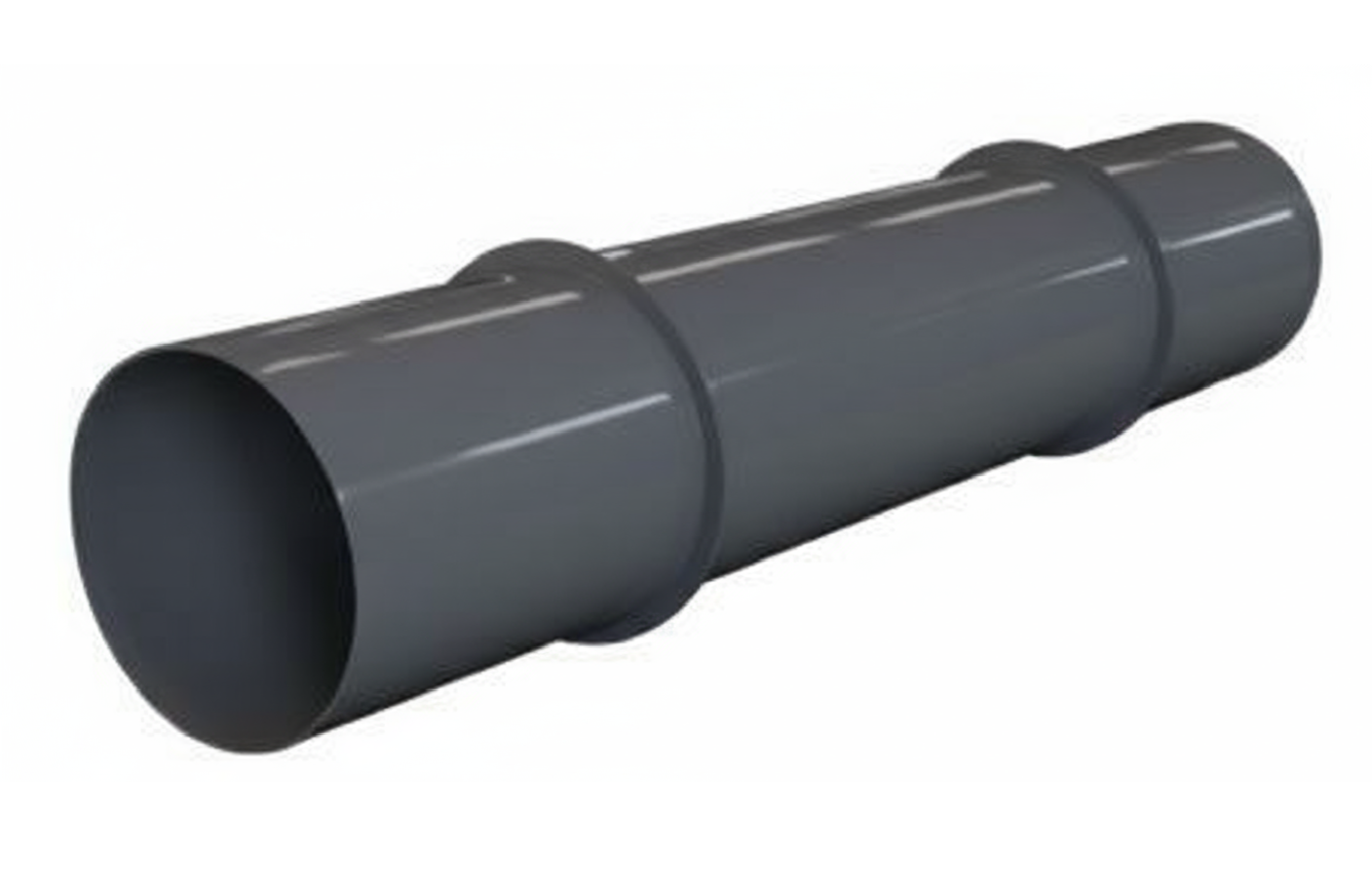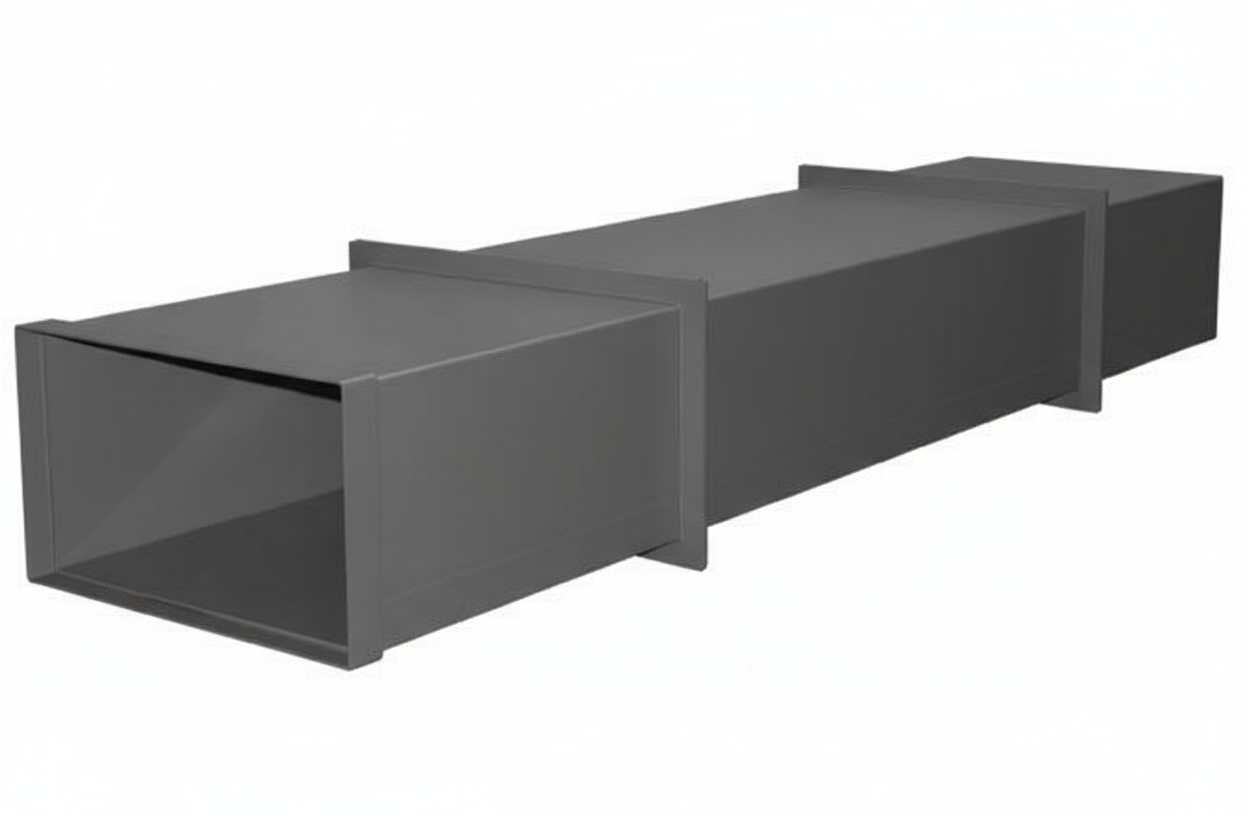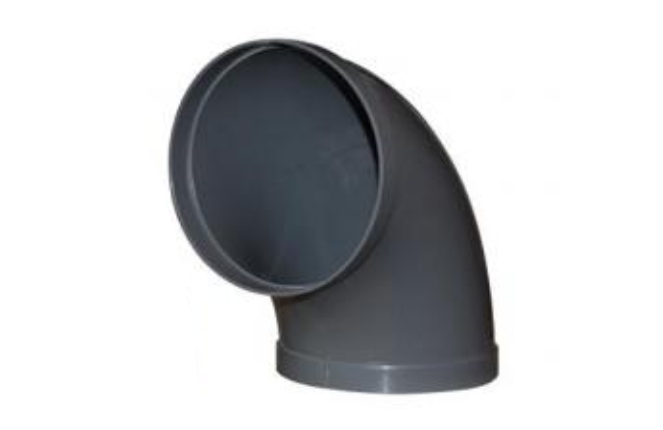
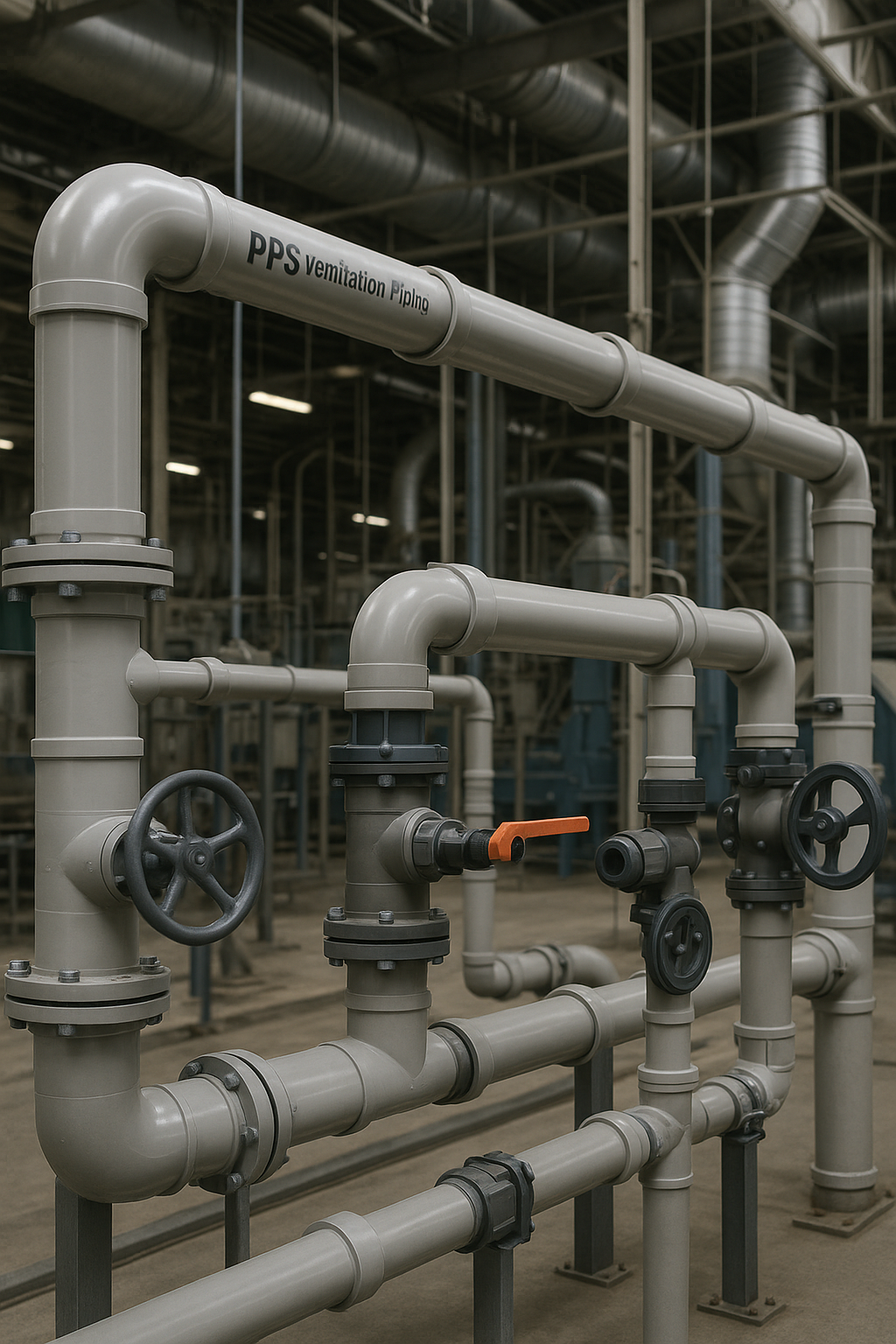
PPs Ventilation Piping
Flame retardancy in polypropylene (PP) pipes and fittings for ventilation significantly enhances safety by inhibiting ignition, slowing flame spread, and minimizing smoke generation. This self-extinguishing behavior and high ignition temperature prevent the rapid development and propagation of fire within building ventilation systems, crucially contributing to occupant and property protection.
Key safety enhancements provided by PPs
(flame retardant PP pipes and fittings)
Reduced Spread of Fire
Flame retardant additives disrupt combustion and shield the material, ensuring pipes do not support sustained burning and flames cannot travel through ductwork.
Self-Extinguishing
These materials typically stop burning when the ignition source is removed, helping to prevent escalation of fire incidents within ventilation systems.
Minimal Smoke Generation
In the event of fire, such pipes produce less smoke and lower toxicity, which improves visibility and reduces health hazards, aiding safer building evacuation.
High Ignition Temperature
More resistance to heat and ignition sources protects the ventilation system itself from acting as a fire conduit.
Regulatory Compliance
Flame retardant pipes meet stringent fire safety standards for construction, building codes, and industrial applications.
Features and Benefits of PPs
1. Flame Retardancy
- Classified as Building Material Class B1 according to DIN 4102, meaning self-extinguishing and reduced flammability for enhanced fire safety.
- UL94 V-0 rating available in many products—high resistance to ignition and rapid self-extinguishing behavior.
2. High Chemical Resistance
- Resistant to aggressive chemicals, corrosive fumes, and solvents commonly encountered in ventilation and exhaust air systems.
3. High Temperature Resistance
- Can withstand continuous operating temperatures up to 100°C (212°F), with performance often superior to PVC alternatives.
4. Mechanical Durability
- High impact resistance and rigidity support reliable, long-term operation even in demanding industrial settings.
- Hard surface and low moisture absorbency for reliable performance.
5. Lightweight Construction
- Much lighter than metals, which reduces installation time and labor requirements while facilitating handling and transportation.
6. Excellent Processability
- Pipes and fittings can be easily welded using hot-air or extrusion welding methods, supporting quick and efficient installation.
- Available in a wide range of sizes and configurations suitable for varied applications.
7. Long Service Life & Sustainability
- Designed for decades of reliable function with minimal maintenance.
- 100% recyclable and free from toxic additives, chlorides, or heavy metals.
Applications Benefits of PPs
1. Enhanced Fire Safety
- Essential in areas with ignition sources (hot surfaces, sparks, electrical faults), such as laboratories, chemical processing, or industrial plants.
- Reduces the risk of fire spreading through ventilation ducts, meeting stringent regulatory requirements in modern buildings.
2. Corrosion and Chemical Fume Handling
- Ideal for applications where air and gases may carry corrosive or aggressive substances (e.g., laboratories, chemical production, water treatment plants, plating and etching facilities).
3. Cost-Efficiency
- Lower total installation and maintenance costs compared to metal duct systems because of lighter weight and ease of fabrication.
- Does not require costly coatings or linings for corrosion protection, unlike metals.
4. Broad Compatibility
- Suitable for fume cupboards, degassing pipes, exhaust and intake ventilation, surface treatment operations, and areas requiring high safety standards.
- Frequently used in hospitals, universities, pharmaceutical and bio-industry environments.
Comparison Table: PPs vs. Other Duct Materials
Properties | PPs Flame Retardant | PVC | Metal Ducts | |||||
|---|---|---|---|---|---|---|---|---|
Flame Retardancy | High | Moderate (varies) | Low (unless coated) | |||||
Chemical Resistance | Excellent | Good | Poor to Fair | |||||
Temperature Resistance | Up to 100°C | Lower | High | |||||
Weight | Lightweight | Lightweight | Heavy | |||||
Corrosion Resistance | Excellent | Good | Poor | |||||
Installation Complexity | Easy (welding) | Easy | Difficult | |||||
Maintenance | Low | Moderate | High | |||||
Typical Applications
- Chemical Processing
- Pharmaceutical & Biotechnology
- Semiconductor Manufacturing
- Electronics Manufacturing
- Food & Beverage Processing
- Automotive Manufacturing
- Power Generation
- Laboratories & Research
- Wastewater Treatment
- Metal Processing
- Pulp & Paper
- Healthcare Facilities
Properties of PPH piping (yet to update)
PPH (Polypropylene Homopolymer) piping is commonly used in industries such as chemical, food processing, and water treatment. It is known for its high chemical resistance, strength, and durability, as well as its ability to withstand high temperatures. Below are the key properties of PPH piping:
1. Chemical Resistance
- High resistance to most chemicals, including acids, alkalis, and solvents.
- Suitable for transporting chemicals such as hydrochloric acid, sulfuric acid, and others, depending on concentration.
2. Temperature Resistance
- Max Operating Temperature: PPH piping can withstand continuous temperatures of up to 90°C (194°F) and can handle short-term spikes up to 100°C (212°F).
- Not as temperature-resistant as other materials like PVDF (Polyvinylidene Fluoride), but still suitable for most industrial applications.
3. Mechanical Properties
- Tensile Strength: Typically in the range of 30-45 MPa, which provides excellent strength under pressure.
- Impact Strength: PPH pipes are somewhat brittle at lower temperatures, so they are less impact-resistant than some other plastics.
- Stiffness: High stiffness, which makes PPH pipes structurally strong but can also make them prone to cracking under impact or stress.
4. Durability
- Long Service Life: PPH pipes have a long lifespan and can remain functional for many years, even under harsh conditions.
- UV Resistance: PPH piping can degrade when exposed to UV light, so it may require protective coatings or be used in underground or shielded installations.
PPH Material Properties Chart (yet to update)
Properties | Value | Unit | Test Method | |||||
|---|---|---|---|---|---|---|---|---|
Density | 0.90 – 0.91 | g/cm3 | ISO 1183 | |||||
Melt Flow Rate (230 °C / 2.16kg) | 0.3 – 0.7 | g/10min | ISO 1183 | |||||
Tensile Modulus | >1700 | MPa | ISO 527 | |||||
Tensile Strength at Yield | >28 | MPa | ISO 527 | |||||
Tensile Strength at Break | >32 | MPa | ISO 527 | |||||
Elongation at Yield | >8 | % | ISO 527 | |||||
Elongation at Break | >80 | % | ISO 527 | |||||
Notch impact strength (23 °C) | >40 | KJ/m2 | ISO 179 | |||||
Shore Hardness | 70 | Shore-D | ISO 868 | |||||
Heat deflection Temperature | 100 | °C | ISO 306 | |||||
Vicat Softening Temperature | 158 | °C | ISO 306 | |||||
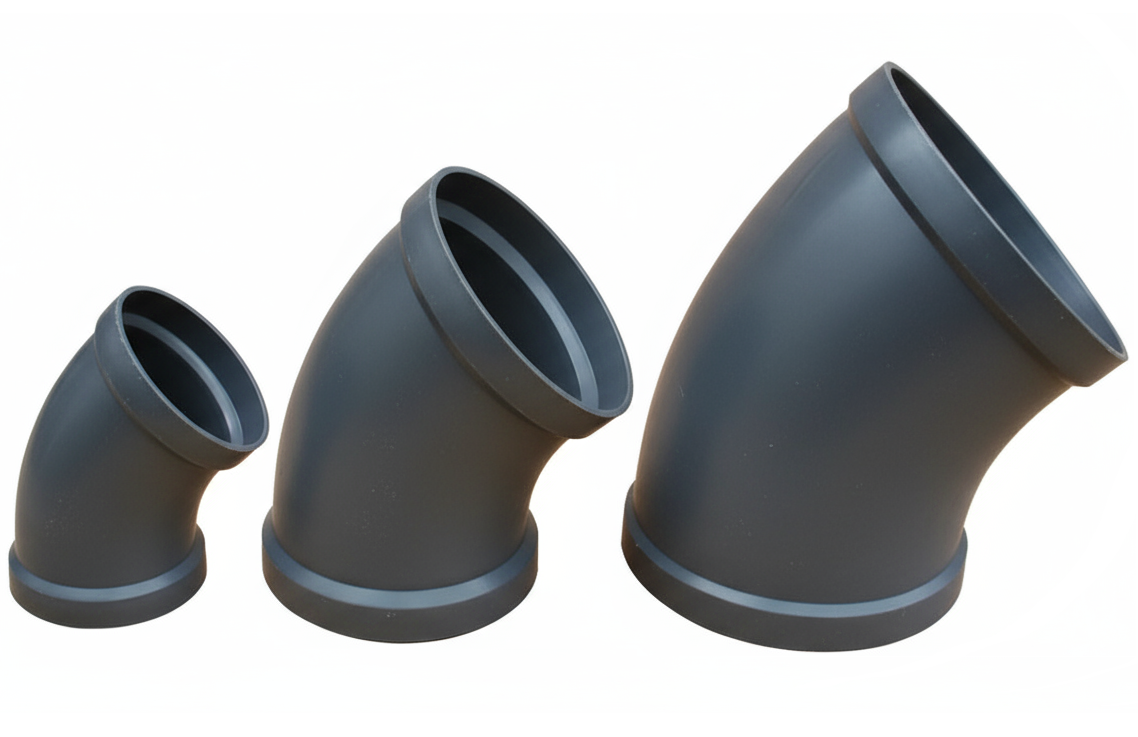
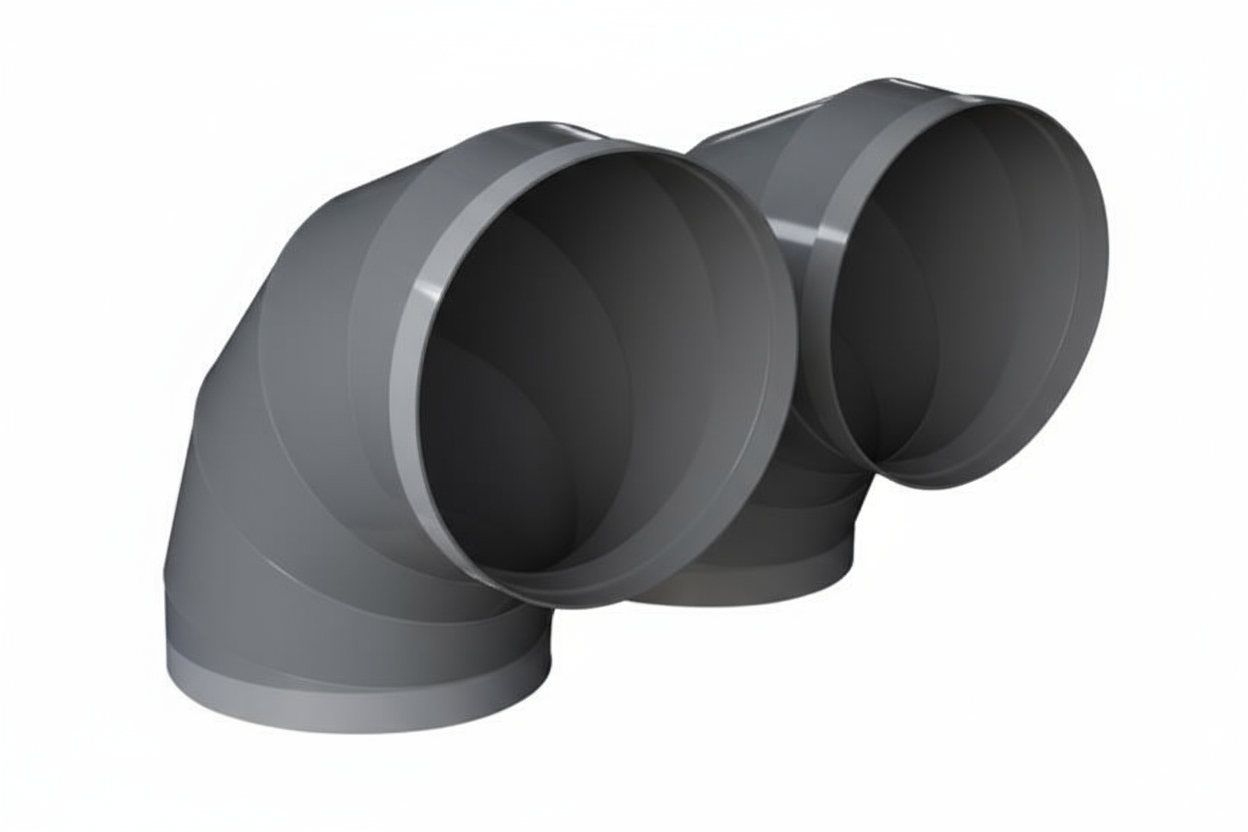
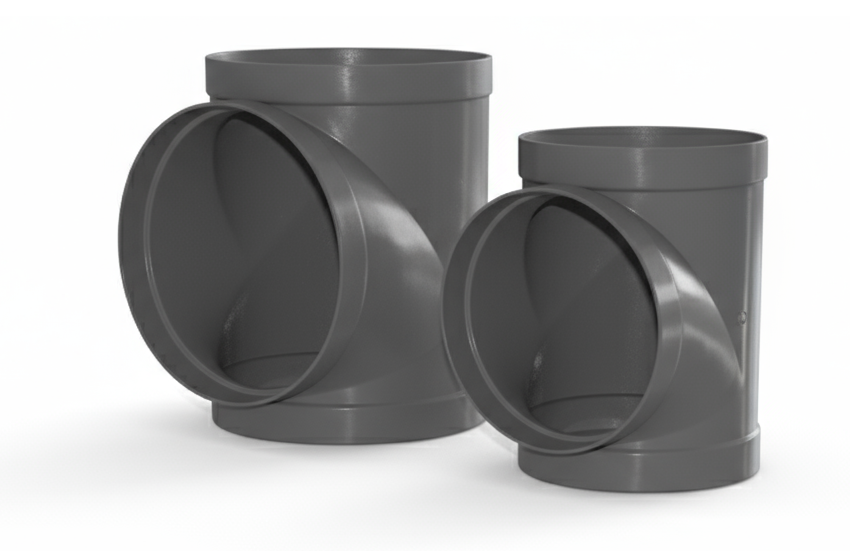
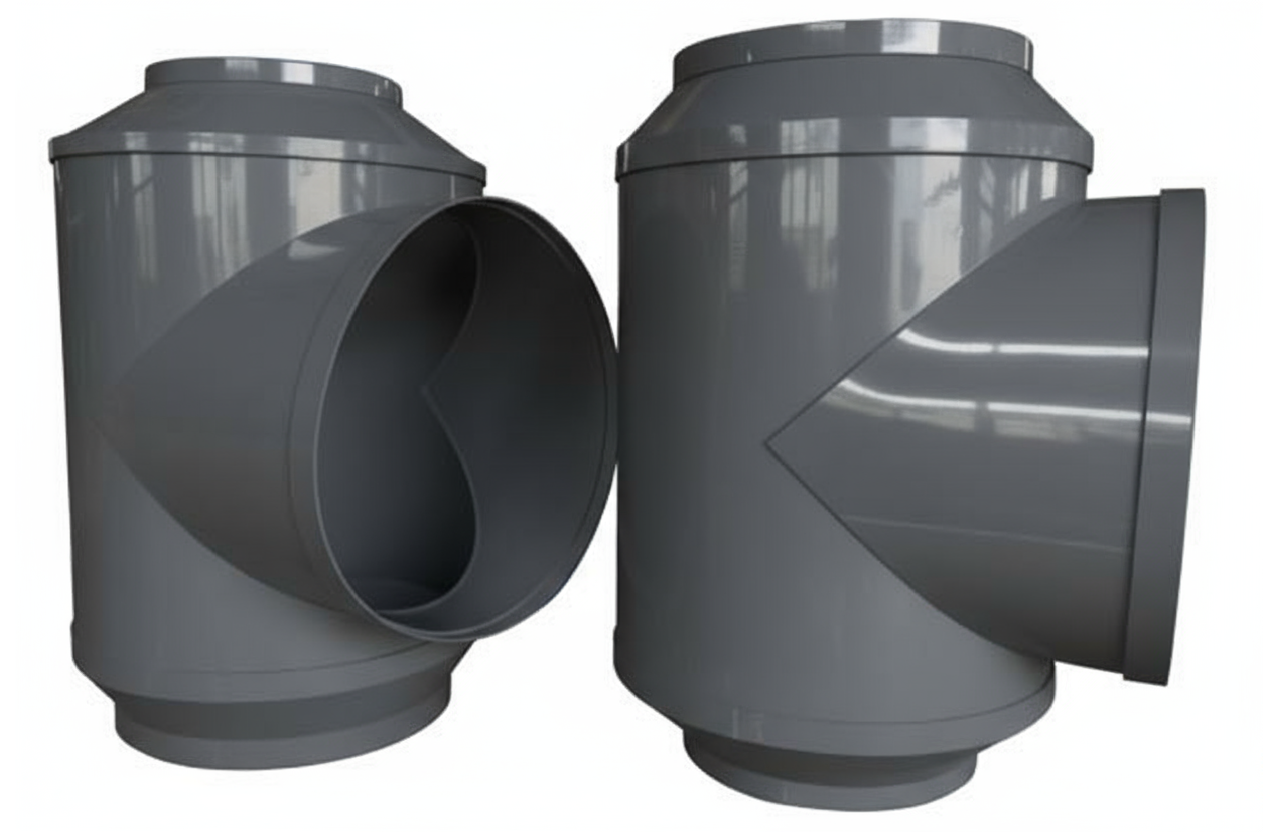
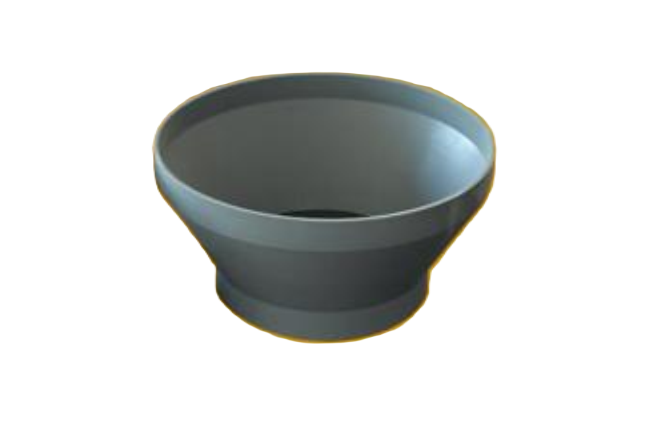
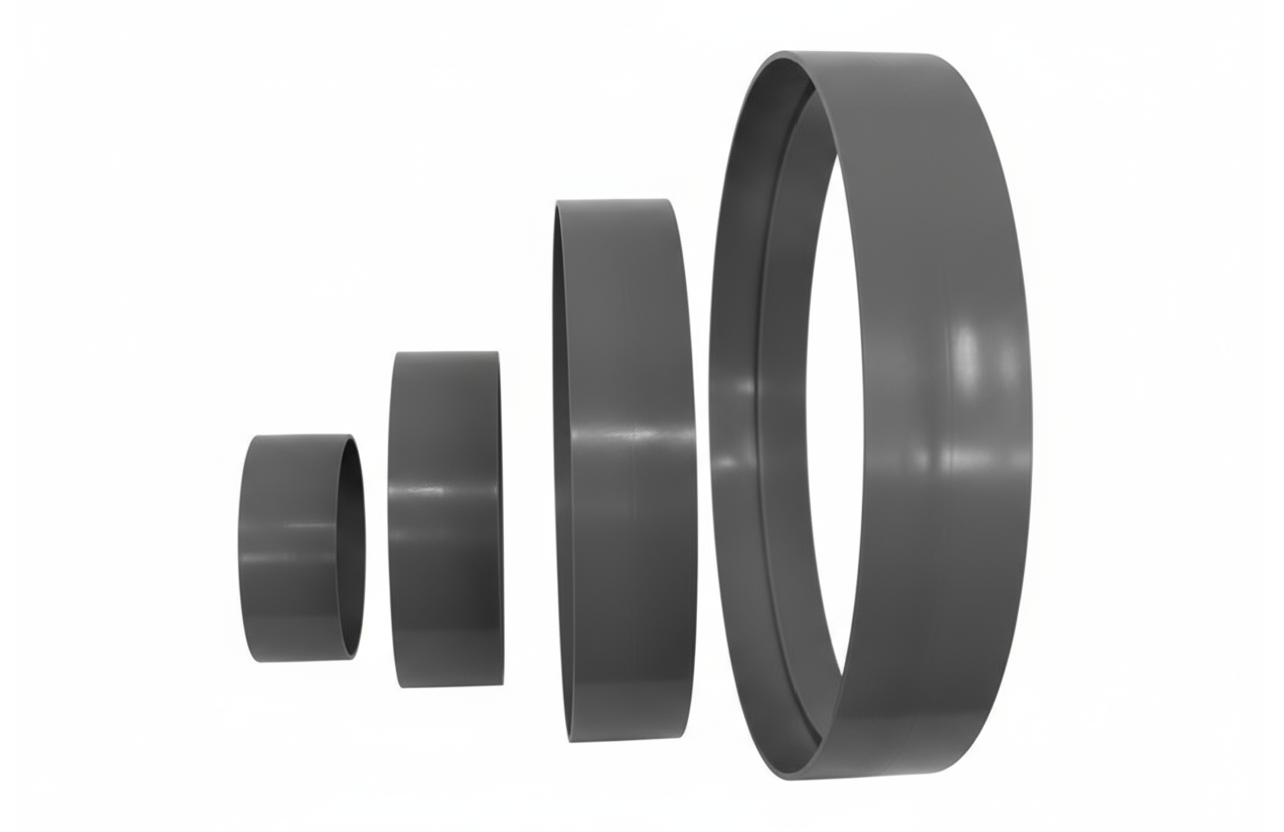
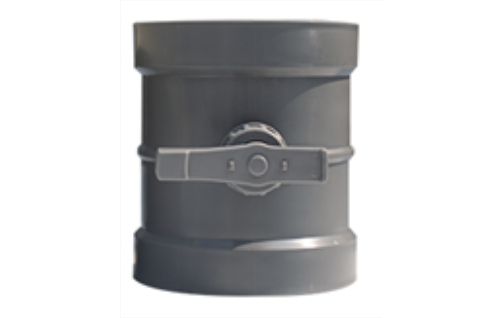
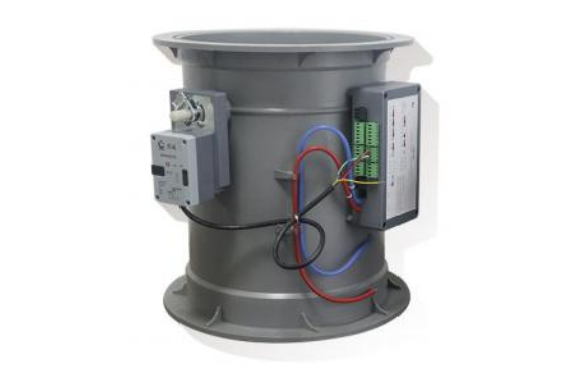
PPs Ventilation Pipes and Fittings
Pipe OD (mm) | Pipe Thickness (mm) | Elbow 90 | Elbow 45 | Tee | Socket | Flanges | Dampers | Reducers* |
|---|---|---|---|---|---|---|---|---|
(F) – Fabricated | – In our Product Range | * – Moulded reducers, Other sizes available with fabrication | ||||||
20 | 2.8 | 25 x 20 | ||||||
25 | 2.8 | 32 x 25 | ||||||
32 | 3.5 | 40 x 32 | ||||||
40 | 4.0 | 50 x 40 | ||||||
50 | 4.0 | 63 x 50 | ||||||
63 | 4.5 | 75 x 63 | ||||||
75 | 5.0 | 90 x 75 | ||||||
90 | 5.0 | 110 x 90 | ||||||
110 | 3.8 | 160 x 90 | ||||||
110 | 3.0 | 160 x 110 | ||||||
160 | 3.0 | 200 x 110 | ||||||
200 | 3.3 | 200 x 160 | ||||||
250 | 4.0 | 250 x 160 | ||||||
315 | 4.2 | 250 x 200 | ||||||
355 | 4.2 | (F) | 315 x 200 | |||||
400 | 4.5 | (F) | 315 x 250 | |||||
450 | 4.8 | (F) | 400 x 200 | |||||
500 | 5.5 | (F) | 400 x 250 | |||||
550 | 5.8 | (F) | 400 x 315 | |||||
600 | 6.0 | (F) | 400 x 355 | |||||
630 | 6.0 (F) | (F) | (F) | (F) | 500 x 315 | |||
700 | 6.0 (F) | (F) | (F) | (F) | (F) | 500 x 355 | ||
800 | 8.0 (F) | (F) | (F) | (F) | (F) | 600 x 400 | ||
900 | 8.0 (F) | (F) | (F) | (F) | (F) | (F) | (F) | 800 x 500 |
1000 | 8.0 (F) | (F) | (F) | (F) | (F) | (F) | (F) | 1000 x 600 |
1120 | 8.0 (F) | (F) | (F) | (F) | (F) | (F) | (F) | |
1200 | 12.0 (F) | (F) | (F) | (F) | (F) | (F) | (F) | |
1400 | 12.0 (F) | (F) | (F) | (F) | (F) | (F) | (F) | |
1500 | 12.0 (F) | (F) | (F) | (F) | (F) | (F) | (F) | |
2000 | 15.0 (F) | (F) | (F) | (F) | (F) | (F) | (F) | |