Product Details
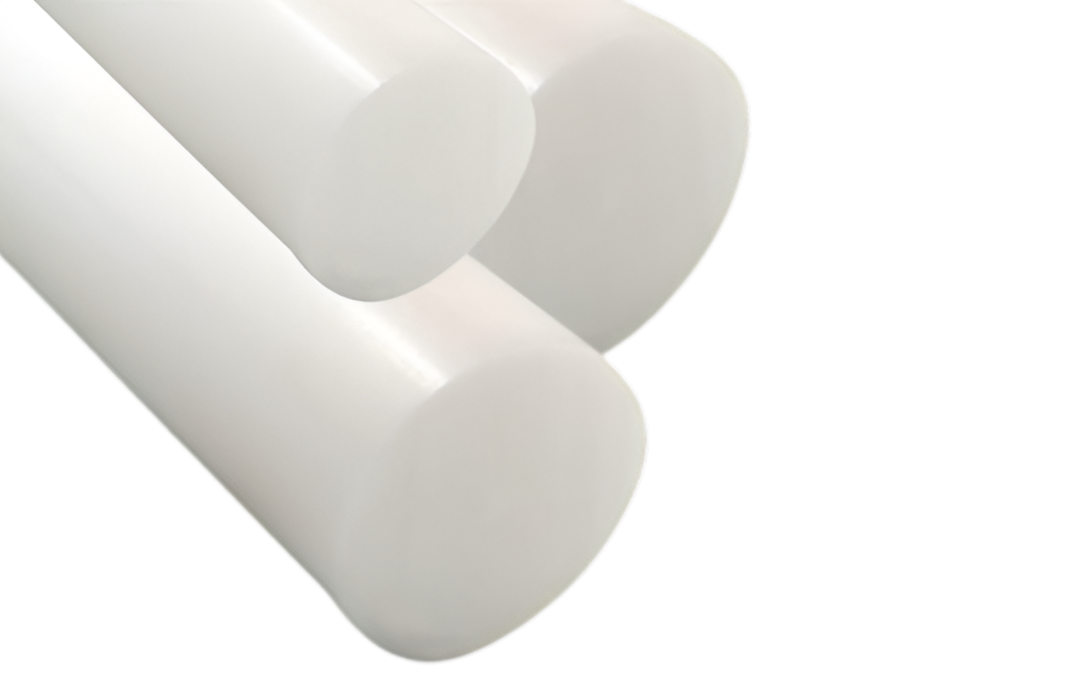
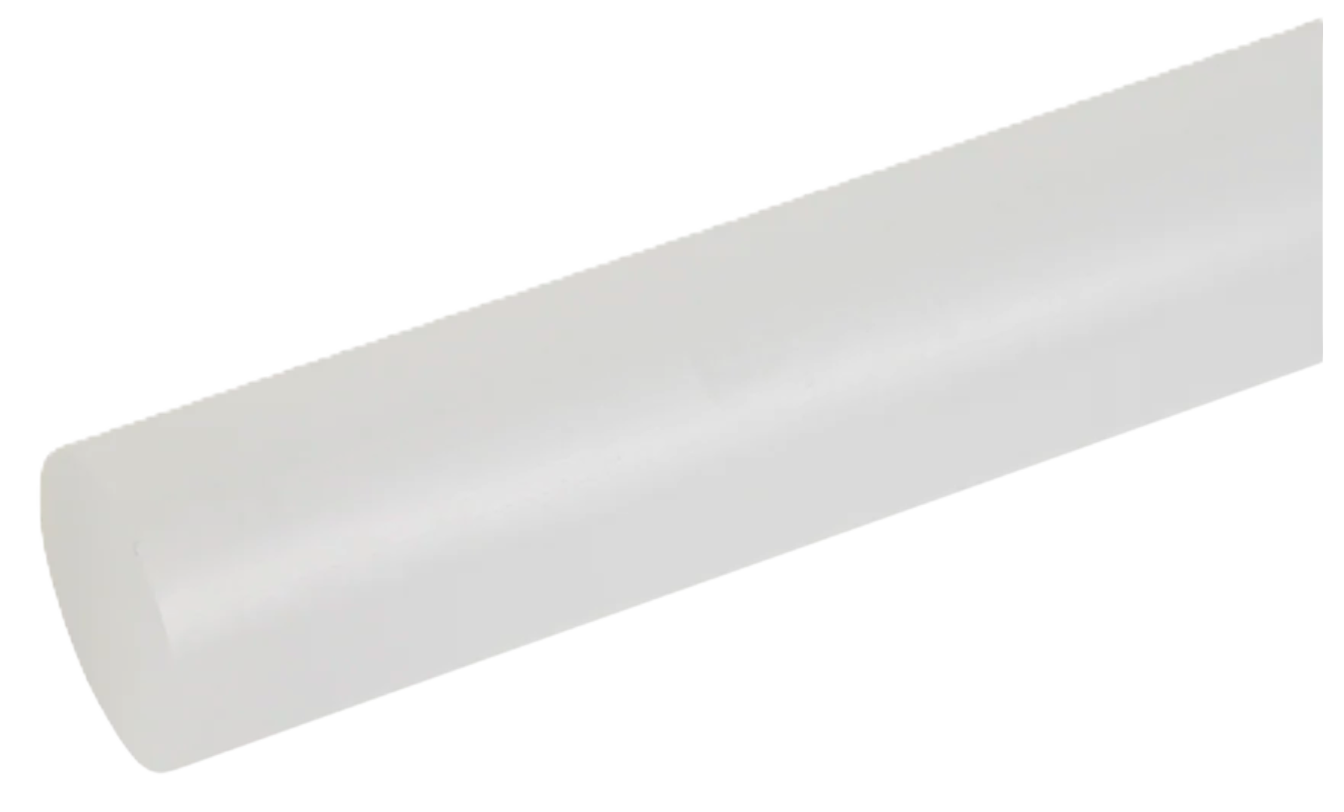
- Diameter: 20mm to 180mm
- Length: 1000mm, Custom length on request
- Color: Natural / White
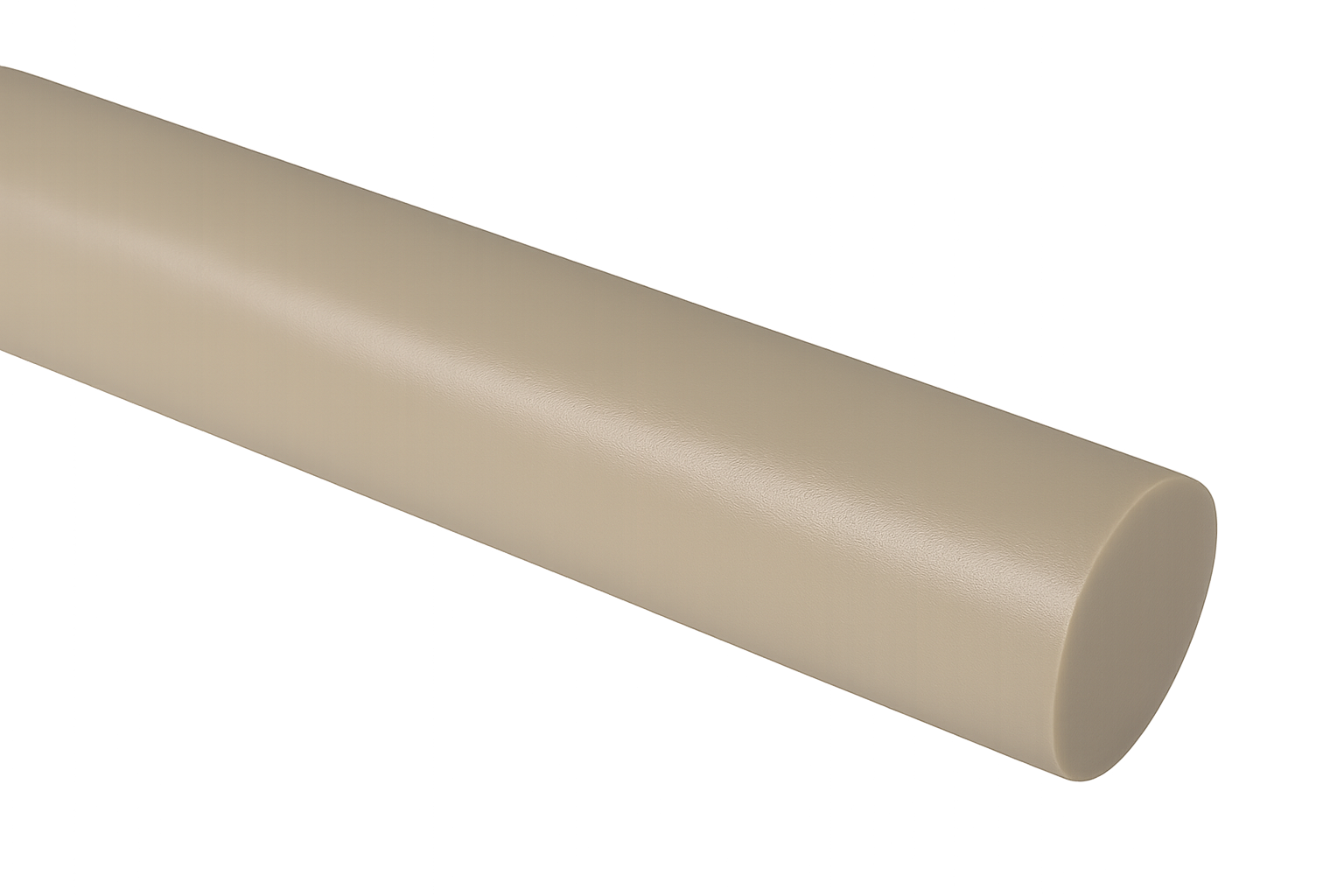
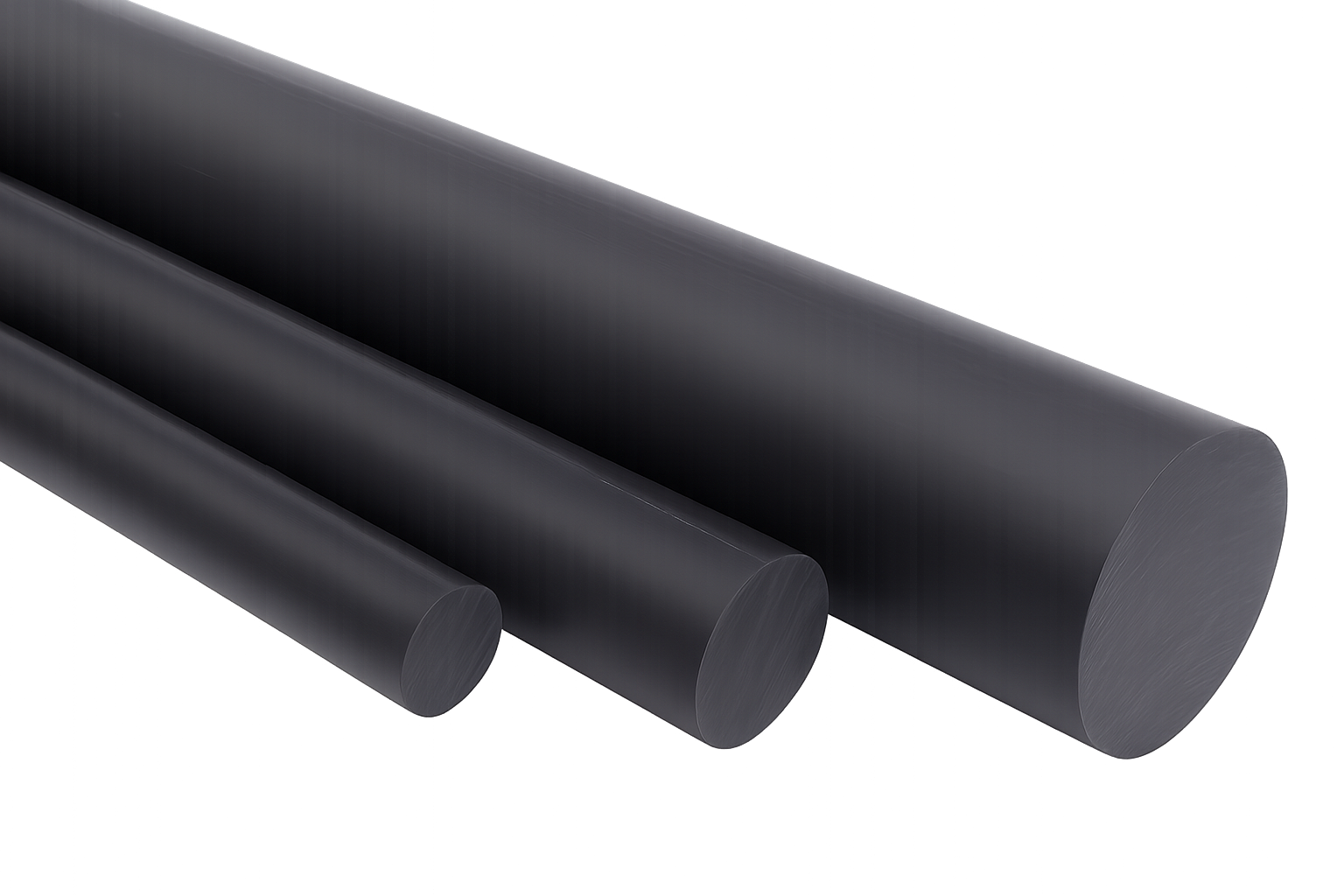
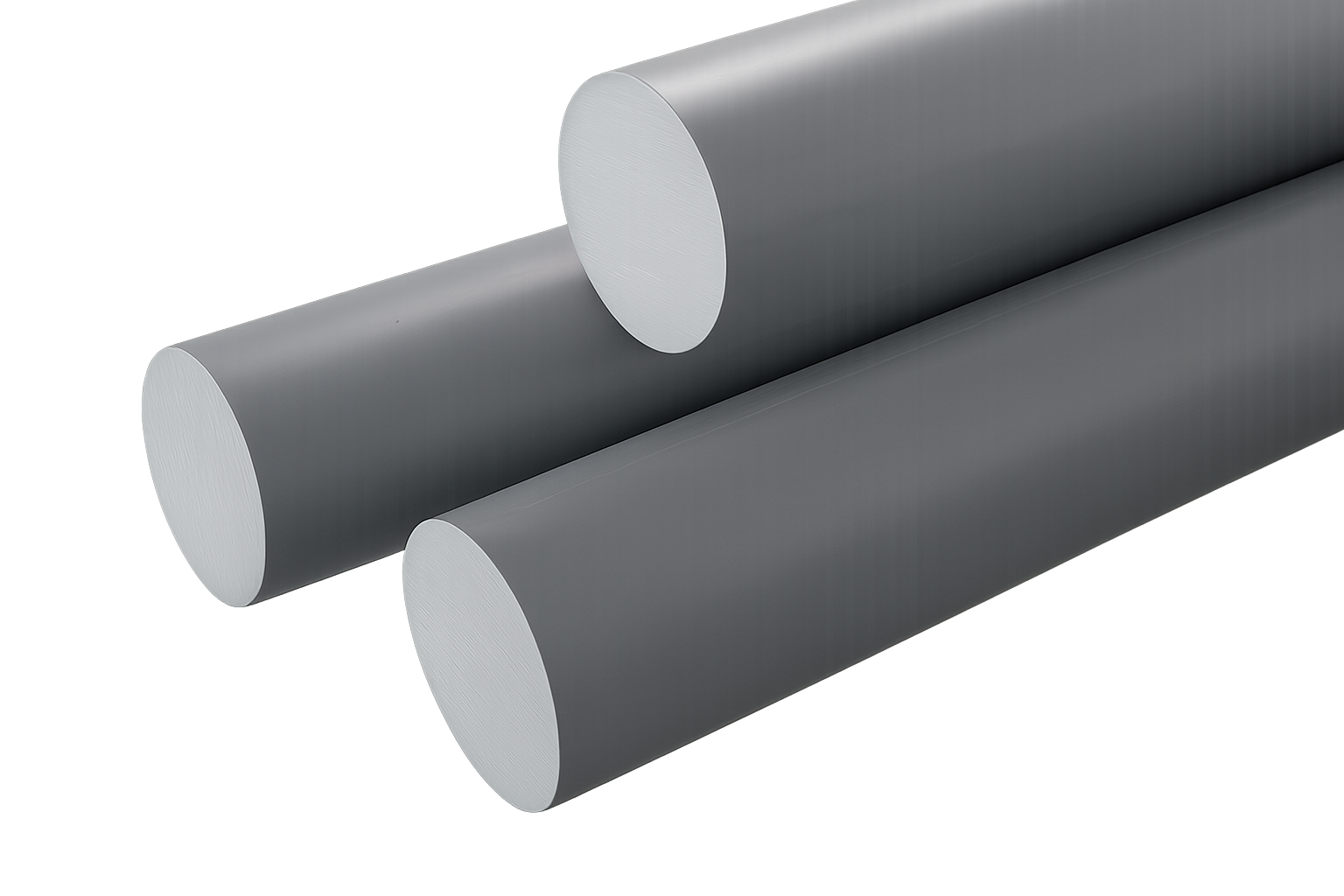
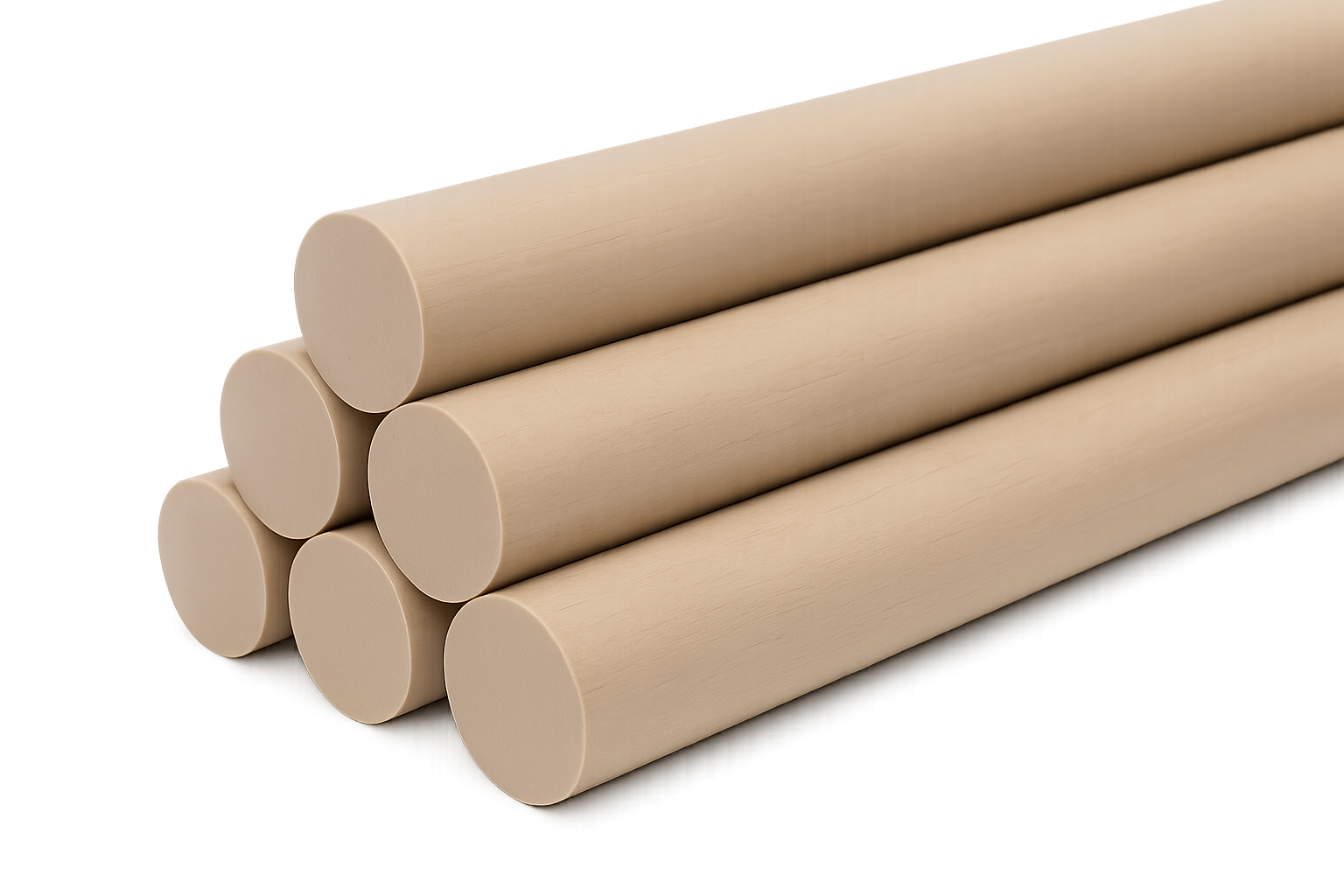
PVDF Solid Rods
Features and Benefits of STARKE PVDF Solid Rods:
Chemical Resistance
Exceptional resistance to acids, bases, solvents and aggressive chemicals ensuring long-term reliability in harsh environments.
Thermal Performance
Operating temperature range from -30°C to +150°C with excellent thermal stability for high-temperature applications.
Mechanical Strength
High tensile strength (up to 55 MPa) and superior impact resistance providing durability under mechanical stress.
UV and Weather Resistance
Outstanding resistance to UV radiation and weathering maintaining properties during prolonged outdoor exposure.
Electrical Insulation
Excellent electrical insulation properties with high dielectric strength (25 kV/mm) for electrical applications.
Low Flammability
Self-extinguishing flame retardant material.
Processing Excellence
Superior machinability and weldability enabling precision component manufacturing and custom fabrication.
Dimensional Stability
Near-zero moisture absorption (<0.04%) ensuring consistent dimensions in humid environments.
Lightweight Design
Low density (1.78 g/cm³) providing weight advantages while maintaining structural integrity.
Radiation Resistance
High resistance to nuclear radiation and gamma rays suitable for nuclear industry applications.
Long Service Life
Exceptional durability with minimal degradation over time reducing maintenance and replacement costs.
Applications of PVDF Solid Rod
- Chemical Plants
- Water Treatment
- Oil and Gas Industry
- Laboratory Equipment
- Electrical and Electronics Industry
- Renewable Energy Sector
- Automotive Industry
1. Chemical Processing Industry
- PVDF solid rods are extensively used for manufacturing chemical equipment components including pump casings, impellers, tank linings, and piping systems. Their exceptional resistance to aggressive chemicals, acids, and bases makes them ideal for handling corrosive substances in chemical processing plants.
2. Electrical and Electronics Industry
- The electrical sector uses PVDF rods for electrical insulation applications including cable sheathing, insulators, electrical connectors, and sensor components. Their excellent dielectric strength and electrical insulation properties make them ideal for electronic applications.
3. Oil and Gas Industry
- PVDF solid rods find applications in petrochemical operations for piping systems, seals, gaskets, and equipment components exposed to hydrocarbons and extreme conditions. Their chemical resistance and mechanical strength suit demanding oil and gas environments.
4. Water Treatment Systems
- In water treatment facilities, PVDF rods are used for ultrapure water systems, filtration equipment, and chemical-resistant components. Their purity and chemical resistance ensure contamination-free water processing applications.
5. Laboratory Equipment
The laboratory sector employs PVDF rods for manufacturing laboratory glassware alternatives, analytical equipment, and chemical-resistant components. Their chemical inertness and purity make them ideal for analytical and research applications.
6. Renewable Energy Sector
- PVDF solid rods are used in solar panel components and other renewable energy infrastructure requiring weather resistance and durability. Their UV resistance and long-term stability support sustainable energy applications.
7. Automotive Industry
- In automotive applications, PVDF rods are used for lightweight components, fuel system parts, and chemical-resistant elements. Their combination of strength and chemical resistance suits modern automotive requirements.
PVDF Material Properties Chart
Properties | Value | Unit | Test Method | |||||
|---|---|---|---|---|---|---|---|---|
Density | 1.78 | g/cm3 | ASTM D792 | |||||
Tensile Modulus | 1700 – 2300 | MPa | ASTM D638 | |||||
Tensile Strength at Yield | 45–55 | MPa | ASTM D638 | |||||
Tensile Strength at Break | 35–55 | MPa | ASTM D638 | |||||
Elongation at Yield | 5–10 | % | ASTM D638 | |||||
Elongation at Break | > 50 | % | ASTM D638 | |||||
Taber Abrasion Resistance
(1000 cycles, 1000 g, CD-10 Wheel) | 5-10 | mg | ASTM D4060 | |||||
Charpy Notched Impact Strength (23 °C) | 40 – 120 | J/m | ASTM D6110 | |||||
Notched Izod Impact Strength (23 °C) | 110 | KJ/m2 | ASTM D256 | |||||
Durometer Hardness
(Shore D, 1 sec, 2,00 mm) | 73 – 80 | Shore-D | ASTM D2240 | |||||
Water Absorption | <0.04 | % | ASTM D570 | |||||
Physiologically Safe | YES | |||||||