Solid Rods
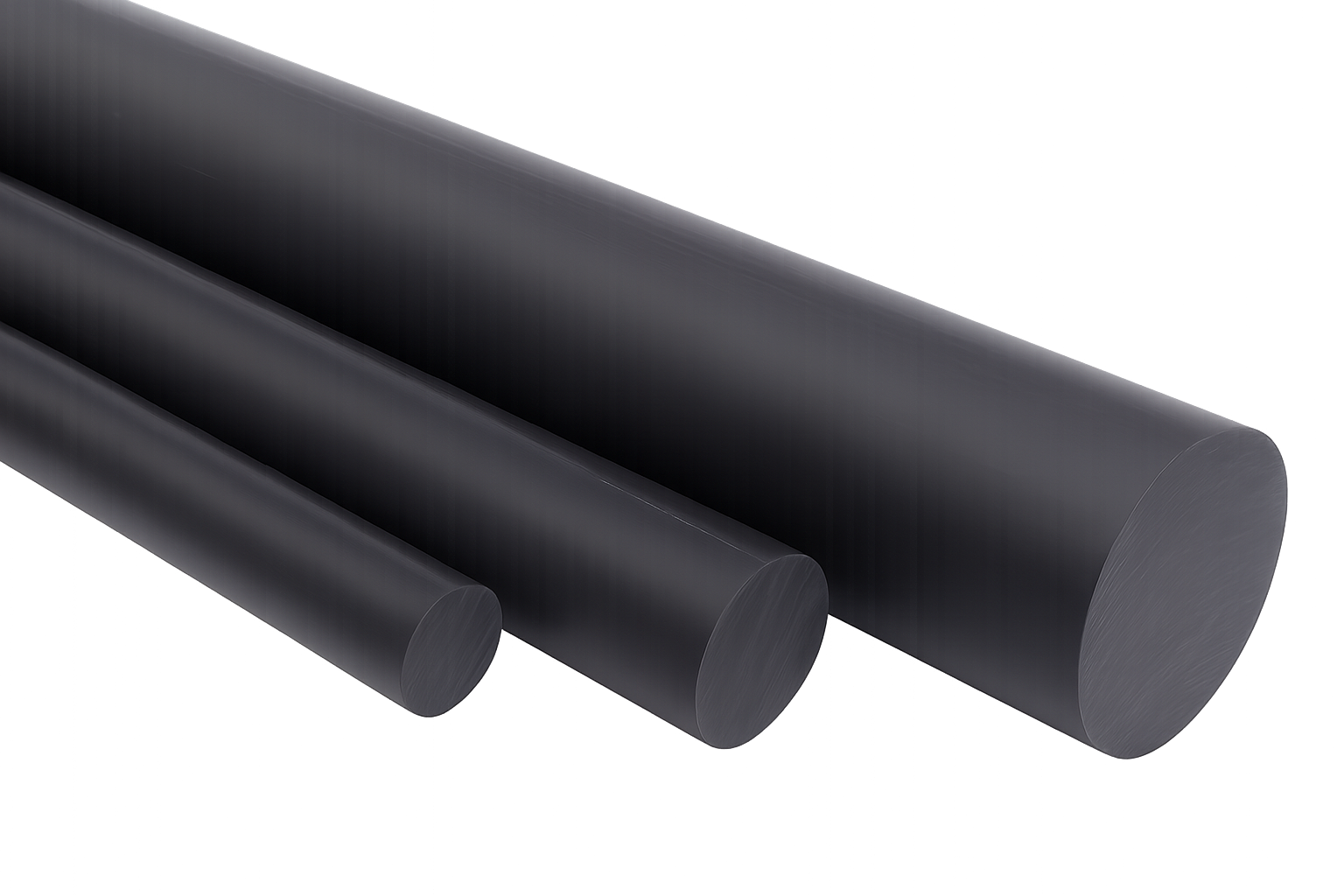
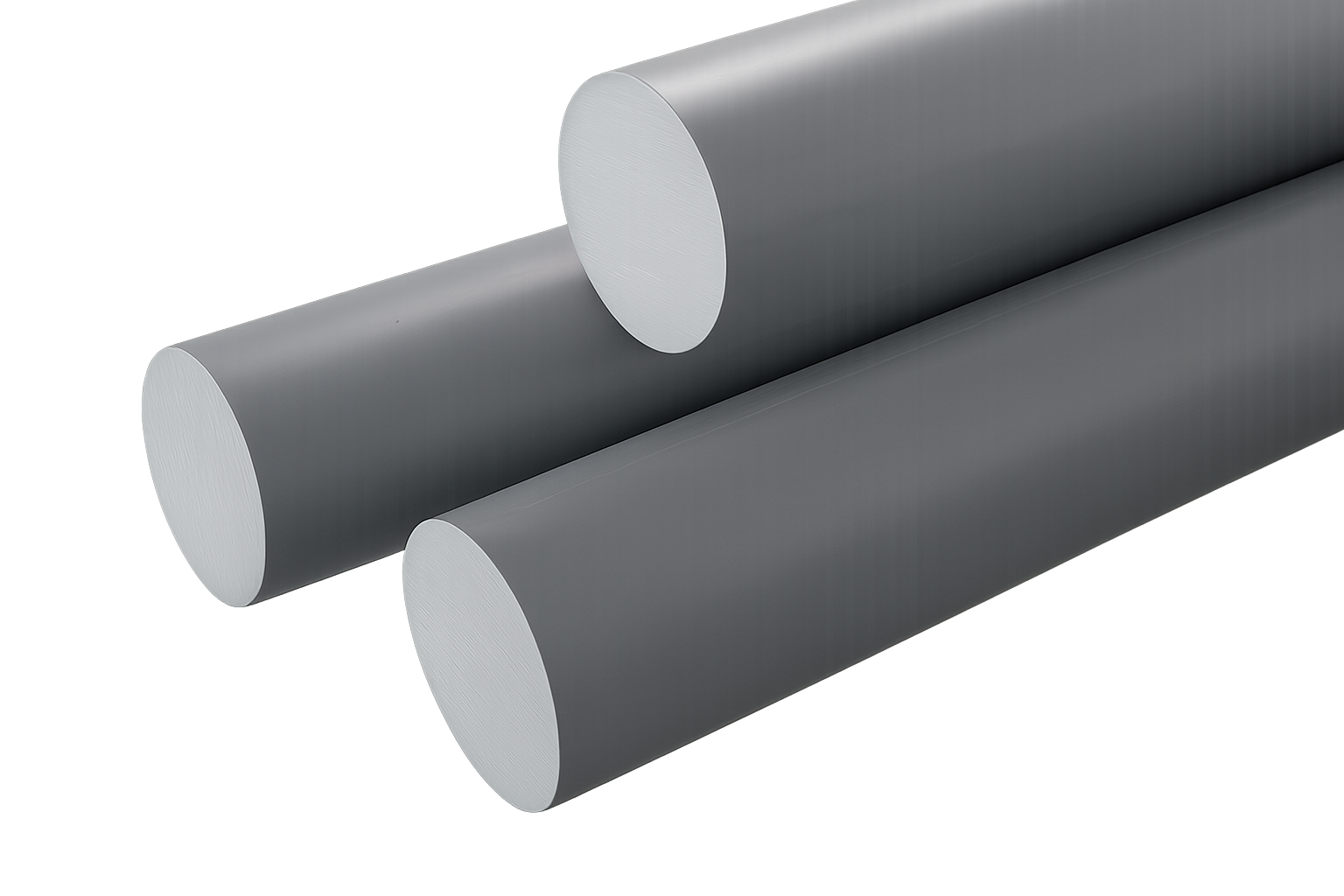
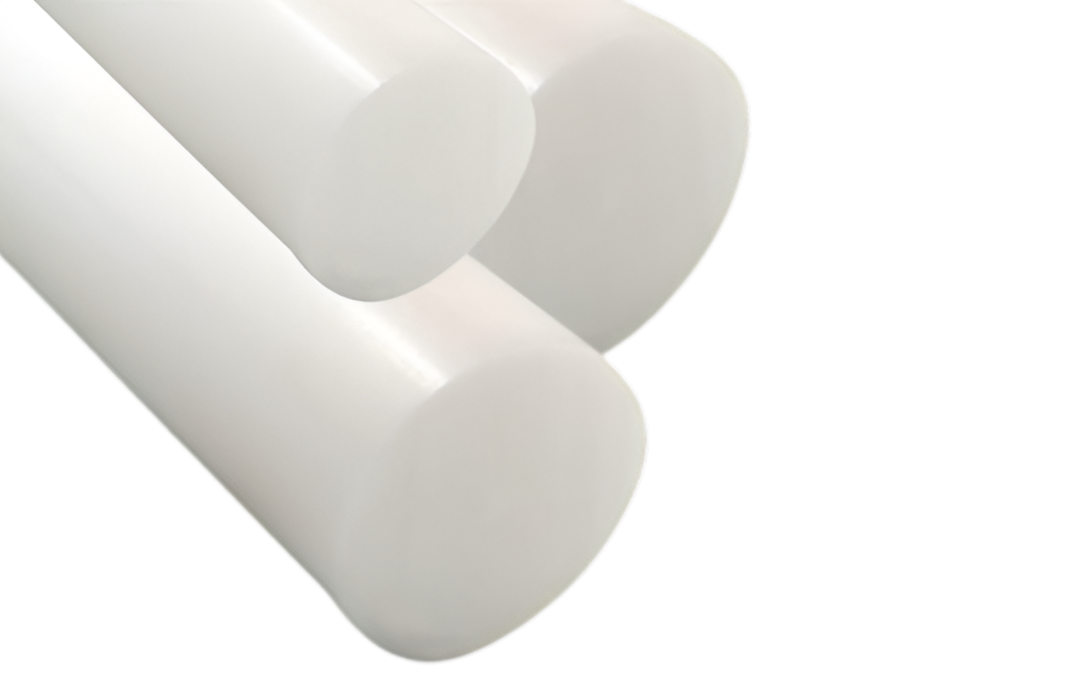
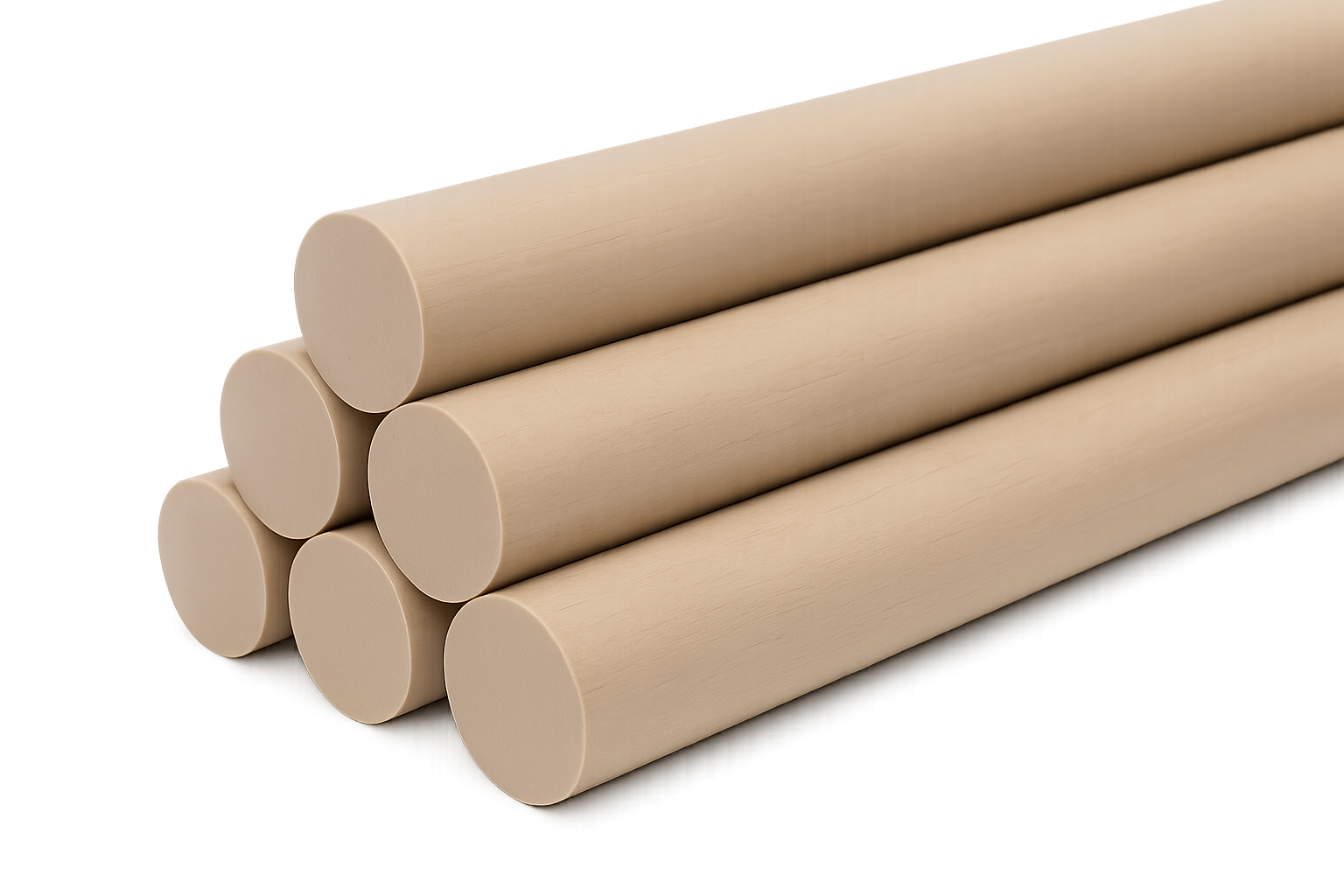
Plastic solid rods are cylindrical pieces made from various types of polymers, each offering a unique set of characteristics and wide applications across multiple industries.
Key Characteristics STARKE PPH Solid Rods:
High strength-to-weight ratio
Strong but lightweight, easy to handle and reduce installation cost.
Chemical and moisture resistance
Many plastic rods do not corrode or degrade in the presence of water, acids, bases, and solvents.
Machinability
Easily cut, drilled, turned, or milled, suitable for custom manufacturing.
Electrical and thermal insulation
Excellent non-conductive properties make them useful in electronic and electrical settings.
Durability
Resistant to weather, fungus, and wear; maintain integrity in harsh environments.
Versatility in material choice
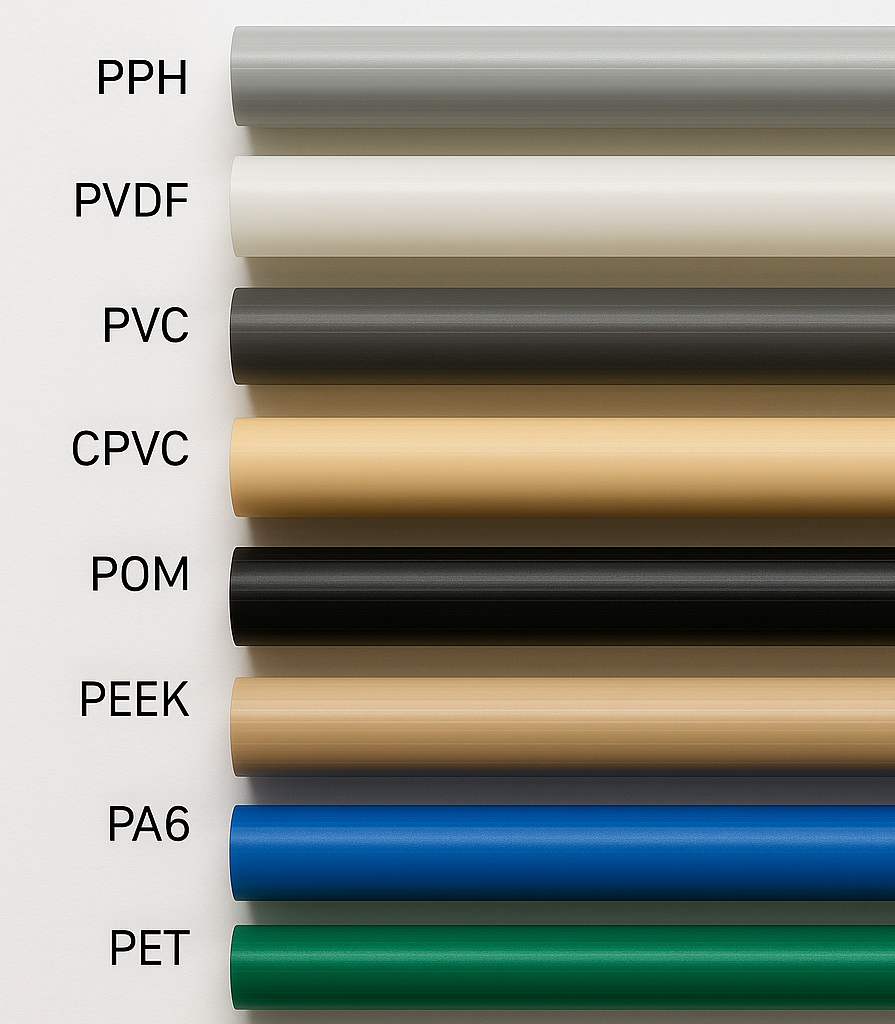
Available in plastics like nylon, acetal (Delrin), PTFE (Teflon), PVC, acrylic (PMMA), polypropylene, HDPE, and UHMW-PE, each offering unique benefits such as low friction, impact resistance, or transparency.
Main Applications
1. OEM and Industrial Machining
- Used to produce parts like gears, rollers, bushings, bearings, spacers, dowels, and structural components due to wear and impact resistance.
2. Chemical and Fluid Handling
- Suitable for the fabrication of tanks, piping, welding rods, and fittings, especially in corrosive or demanding chemical environments.
3. Electrical and Electronics
- Utilized as insulators, conduit spacers, and for other non-conductive uses in wiring/plumbing applications.
4. Construction and Architecture
- For plumbing, electrical conduit, glazing bars, UV-stable outdoor structures, and even filler rods for plastic welding.
5. Retail Displays and Design
- Transparent rods like acrylic and polycarbonate are used for signage, decorative lighting, and display stands.
6. Consumer Goods and Model Making
- For toys, crafts, point-of-sale displays, aquariums, skylights, and hobbyist projects, especially where lightweight and aesthetic materials are needed.
7. Medical and Laboratory
- Used in devices, sample rods, stirrers, or housings, favoring chemically resistant materials like PTFE and polypropylene.
Selection Considerations
- Required mechanical strength and wear
- Chemical and environmental exposure
- Electrical or thermal insulation needs
- Optical clarity, especially for displays or lighting
- FDA/food-contact approvals if needed