
PPs
Ventilation Piping
PPs Ventilation Piping System – High-Temperature Polyphenylene Sulfide Pipes & Fittings
Flame retardancy in polypropylene (PP) pipes and flitings for ventilation significantly enhances safety by inhibiting ignition, slowing flame spread, and minimizing smoke generation. This self-extinguishing behavior and high ignition temperature prevent the rapid development and propagation of fire within building ventilation systems, crucially contributing to occupant and property protection.
Flame Retardant
Corrosion Resistant
Lightweight & Durable
Low Smoke Emission
Easy Installation
High Temp. Resistance
Key Safety Enhancements Provided by
PPs (Flame Retardant PP Pipes and Fittings)
Reduced Spread of Fire
Flame retardant additives disrupt combustion and shield the material, ensuring pipes do not support sustained burning and flames cannot travel through ductwork.
Self-Extinguishing
These materials typically stop buming when the ignition source is removed, helping to prevent escalation of fire incidents within ventilation systems.
Minimal Smoke Generation
In the event of fire, such pipes produce less smoke and lower toxicity, which improves visibility and reduces health hasards, aiding safer building evacuation.
High Ignition Temperature
More resistance to heat and Ignition sources protects the ventilation system itself from acting as a fire conduit.
Regulatory Compliance
Flame retardant pipes meet stringent fire safety standards for construction, building codes, and industrial applications.
Engineered for Safety. Built for Performance.
Flame retardancy in polypropylene (PP) pipes and flitings for ventilation significantly enhances safety by inhibiting ignition, slowing flame spread, and minimizing smoke generation. This self-extinguishing behavior and high ignition temperature prevent the rapid development and propagation of fire within building ventilation systems, crucially contributing to occupant and property protection.
01
Flame Retardancy
Classified as Building Material Class 81 according to DIN 4102 and UL94 V-0 rated-self-extinguishing with reduced flammability for enhanced fire safety.
02
High Temperature Resistance
Can withstand continuous operating temperatures up to 100°C (212°F), with performance often superior to PVC alternatives.
03
Lightweight Construction
Much lighter than metals, which reduces installation time and labor requirements while facilitating handling and transportation.
04
Long Service Life & Sustainability
Designed for decades of reliable function with minimal maintenance. 100% recyclable and free from toxic additives, chlorides, or heavy metals.
05
High Chemical Resistance
Resistant to aggressive chemicals, corrosive fumes, and solvents commonly encountered in ventilation and exhaust air systems.
06
Mechanical Durability
High impact resistance and rigidity support reliable, long-term operation even in demanding industriel settings. Hard surface and low moisture absorbency for reliable performance.
07
Excellent Processability
Pipes and fittings can be easily welded using hot-air or extrusion welding methods. Available in a wide range of siges and configurations suitable for varied applications.
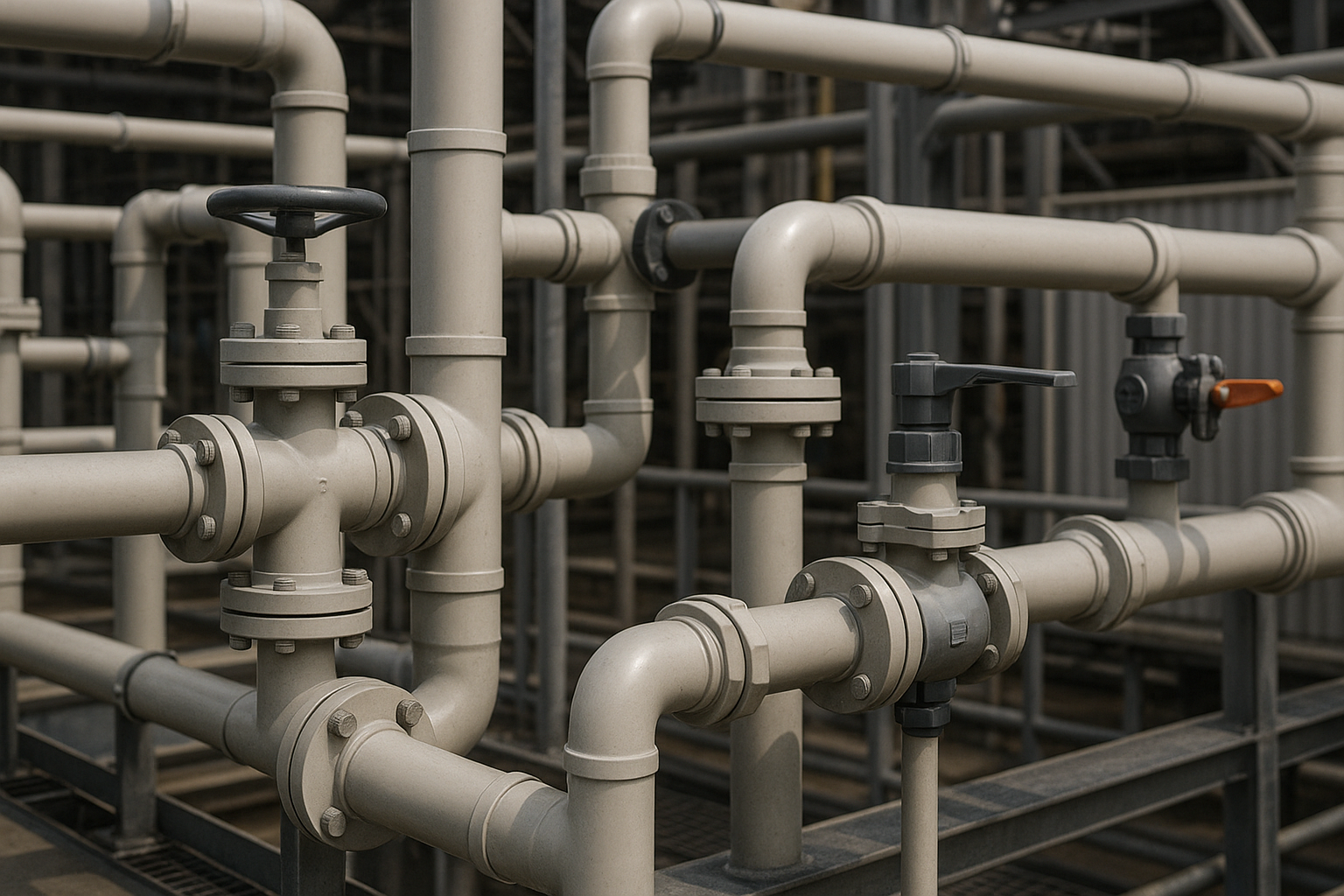
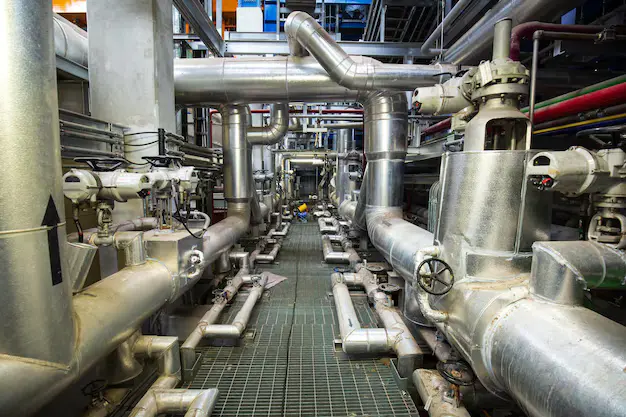
Enhanced Fire Safety
Ideal for areas with ignition sources such as laboretorion, chemical plants, and industrial facilities.
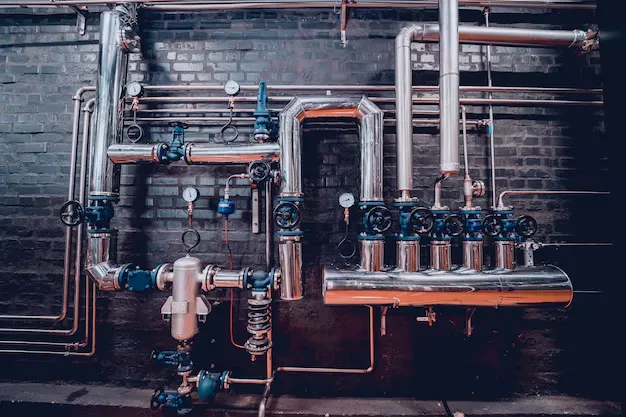
Corrosion & Chemical Fume Handling
Perfect for handling corrosive and aggressive fumes in critical applications.
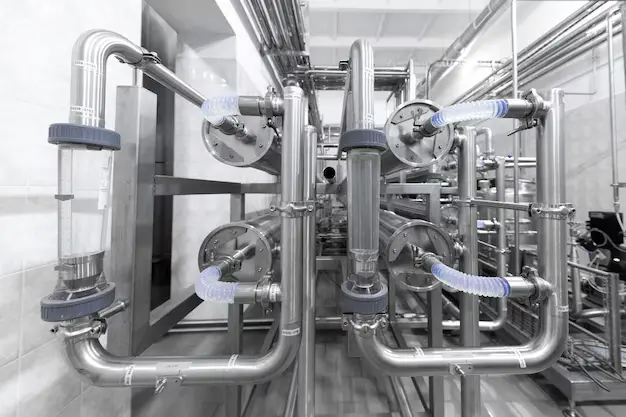
Cost Efficiency
Lower installation and maintenance costs compared to metal duct systems.
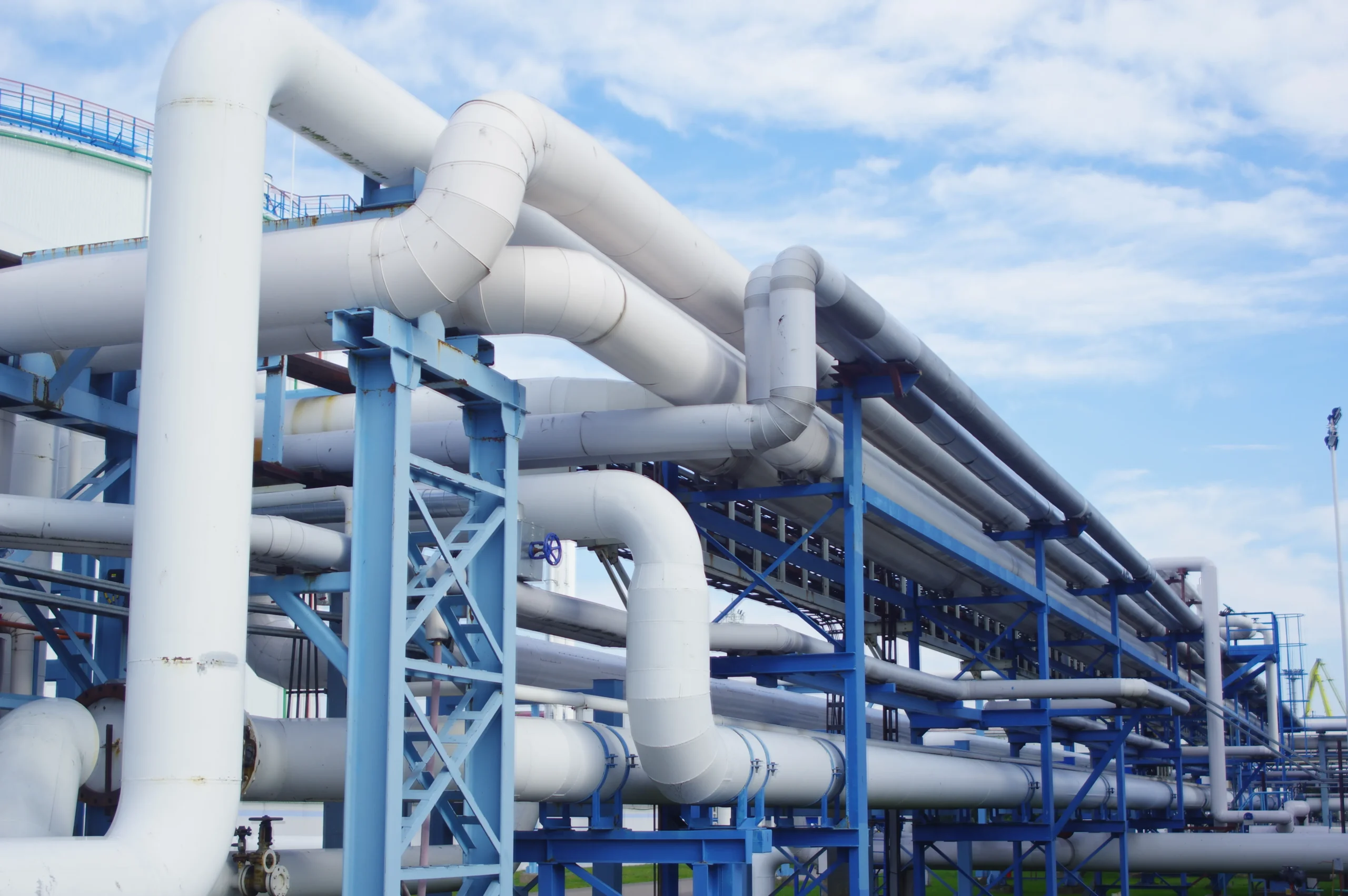
Broad Compatibility
Suitable for fume cupboards, exhaust and intake ventilation, and surface treatment operations.
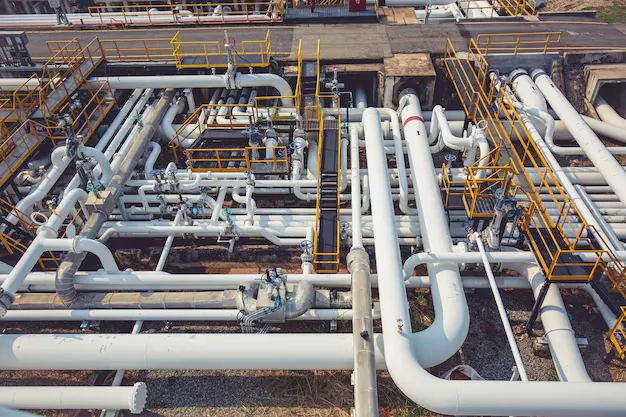
Regulatory Compliance
Meets stringent fire safety standards and building codes.
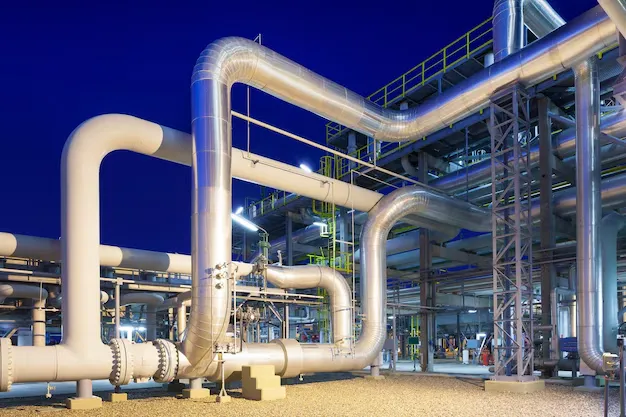
Trusted Across Industries
Widely used in hospitals, universities, pharmaceutical, biotech, and Industrial environments.
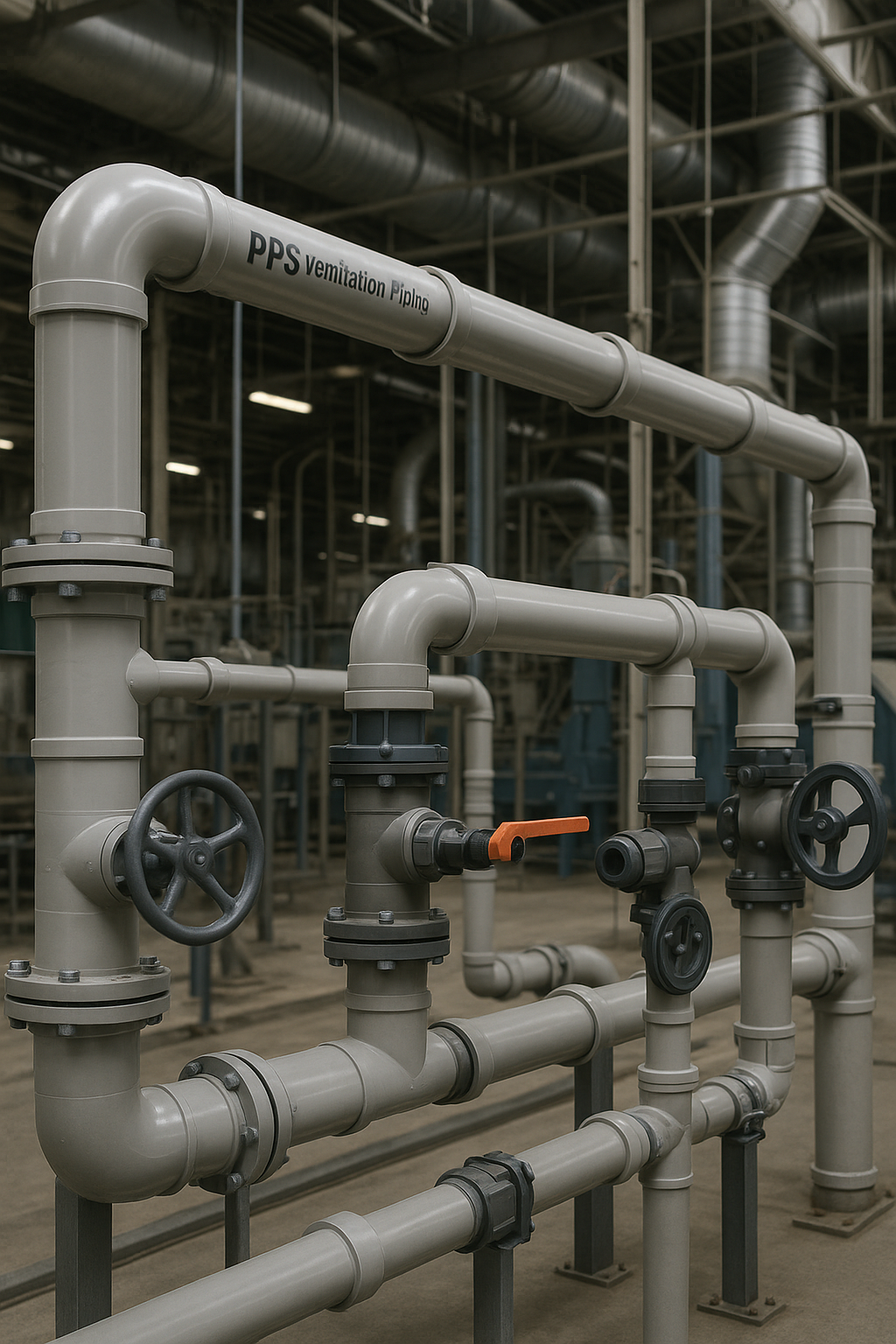
PPs vs. Other Duct Materials
Properties | PPs Flame Retardant | PVC | Metal Ducts | |||||
|---|---|---|---|---|---|---|---|---|
Flame Retardancy | High | Moderate (varies) | Low (unless coated) | |||||
Chemical Resistance | Excellent | Good | Poor to Fair | |||||
Temperature Resistance | Up to 100°C | Lower | High | |||||
Weight | Lightweight | Lightweight | Heavy | |||||
Corrosion Resistance | Excellent | Good | Poor | |||||
Installation Complexity | Easy (welding) | Easy | Difficult | |||||
Maintenance | Low | Moderate | High | |||||
PPs Ventilation Pipes and Fittings
Pipe OD (mm) | Pipe Thickness (mm) | Elbow 90 | Elbow 45 | Tee | Socket | Flanges | Dampers | Reducers* |
|---|---|---|---|---|---|---|---|---|
(F) – Fabricated | – In our Product Range | * – Moulded reducers, Other sizes available with fabrication | ||||||
20 | 2.8 | 25 x 20 | ||||||
25 | 2.8 | 32 x 25 | ||||||
32 | 3.5 | 40 x 32 | ||||||
40 | 4.0 | 50 x 40 | ||||||
50 | 4.0 | 63 x 50 | ||||||
63 | 4.5 | 75 x 63 | ||||||
75 | 5.0 | 90 x 75 | ||||||
90 | 5.0 | 110 x 90 | ||||||
110 | 3.8 | 160 x 90 | ||||||
110 | 3.0 | 160 x 110 | ||||||
160 | 3.0 | 200 x 110 | ||||||
200 | 3.3 | 200 x 160 | ||||||
250 | 4.0 | 250 x 160 | ||||||
315 | 4.2 | 250 x 200 | ||||||
355 | 4.2 | (F) | 315 x 200 | |||||
400 | 4.5 | (F) | 315 x 250 | |||||
450 | 4.8 | (F) | 400 x 200 | |||||
500 | 5.5 | (F) | 400 x 250 | |||||
550 | 5.8 | (F) | 400 x 315 | |||||
600 | 6.0 | (F) | 400 x 355 | |||||
630 | 6.0 (F) | (F) | (F) | (F) | 500 x 315 | |||
700 | 6.0 (F) | (F) | (F) | (F) | (F) | 500 x 355 | ||
800 | 8.0 (F) | (F) | (F) | (F) | (F) | 600 x 400 | ||
900 | 8.0 (F) | (F) | (F) | (F) | (F) | (F) | (F) | 800 x 500 |
1000 | 8.0 (F) | (F) | (F) | (F) | (F) | (F) | (F) | 1000 x 600 |
1120 | 8.0 (F) | (F) | (F) | (F) | (F) | (F) | (F) | |
1200 | 12.0 (F) | (F) | (F) | (F) | (F) | (F) | (F) | |
1400 | 12.0 (F) | (F) | (F) | (F) | (F) | (F) | (F) | |
1500 | 12.0 (F) | (F) | (F) | (F) | (F) | (F) | (F) | |
2000 | 15.0 (F) | (F) | (F) | (F) | (F) | (F) | (F) | |
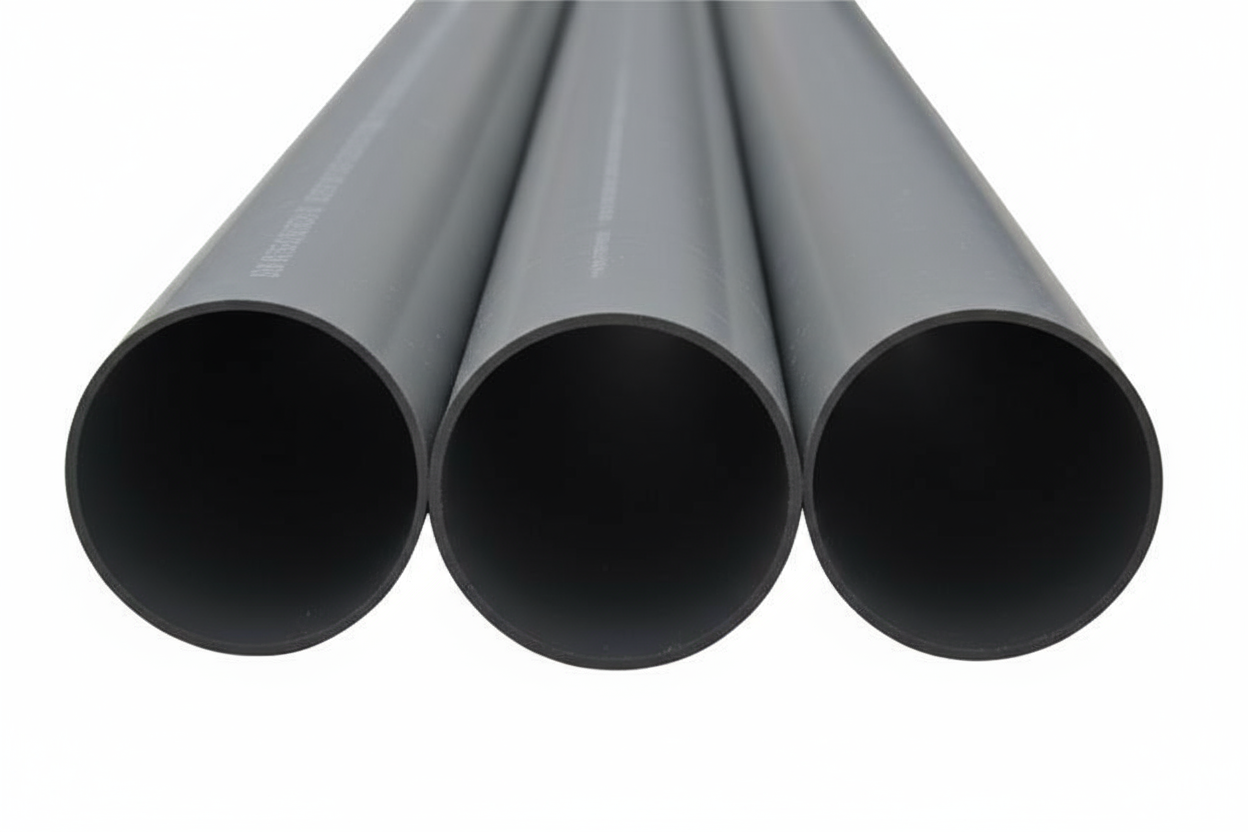
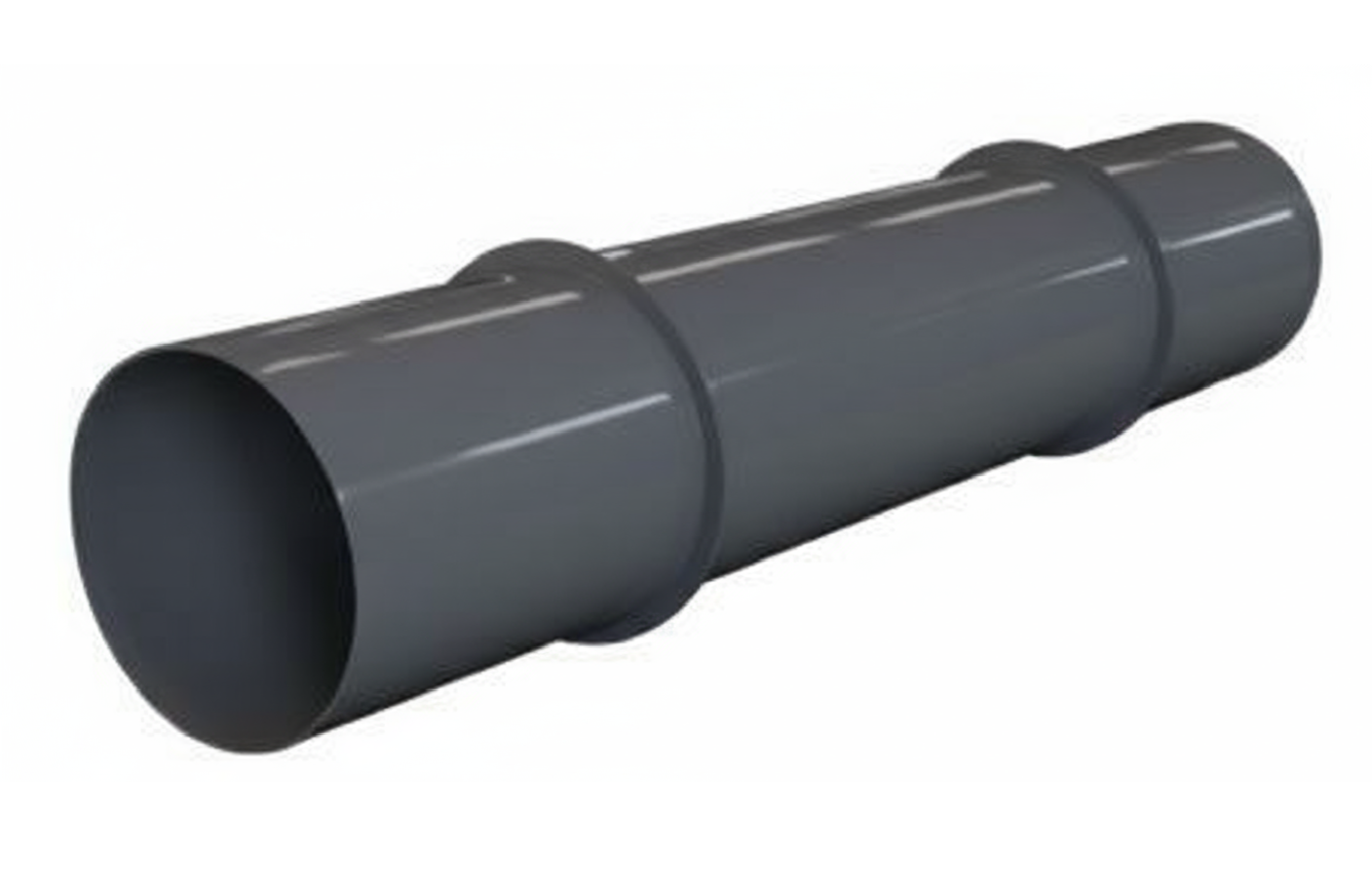
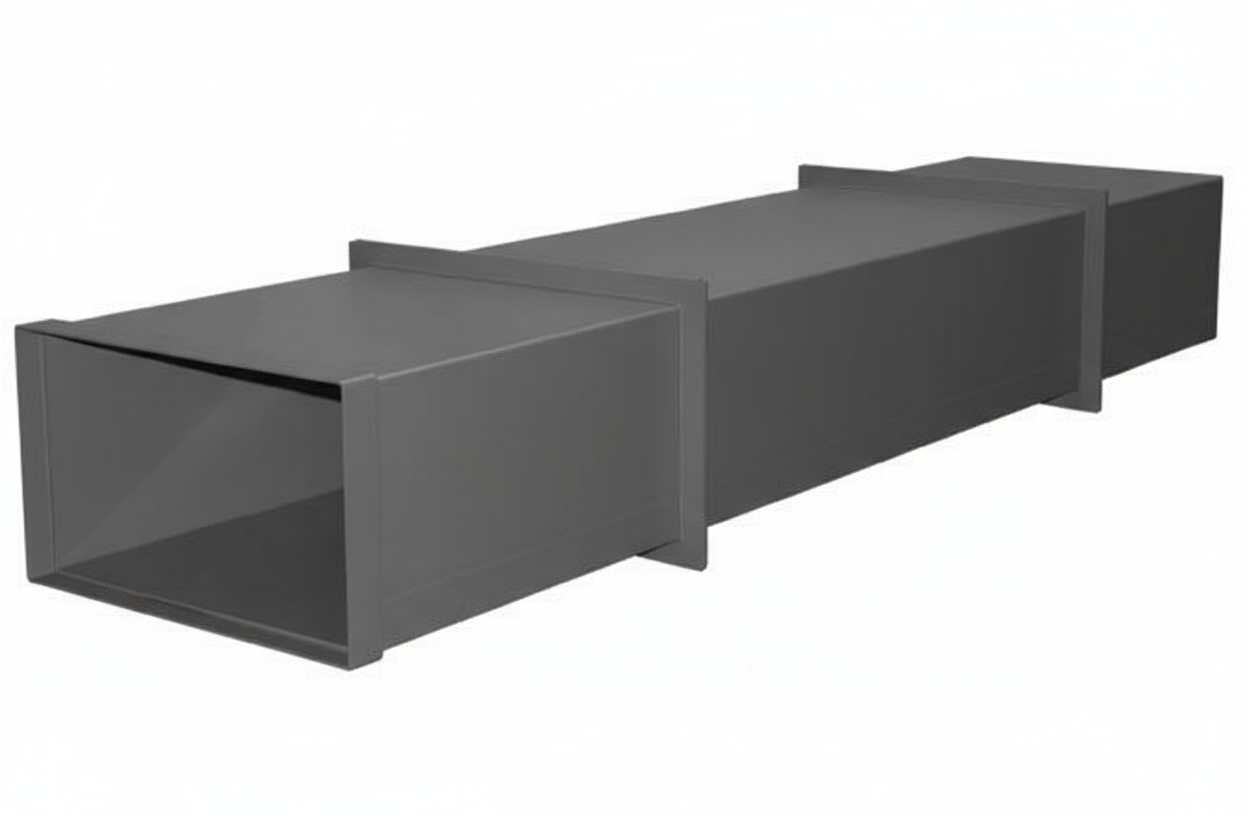
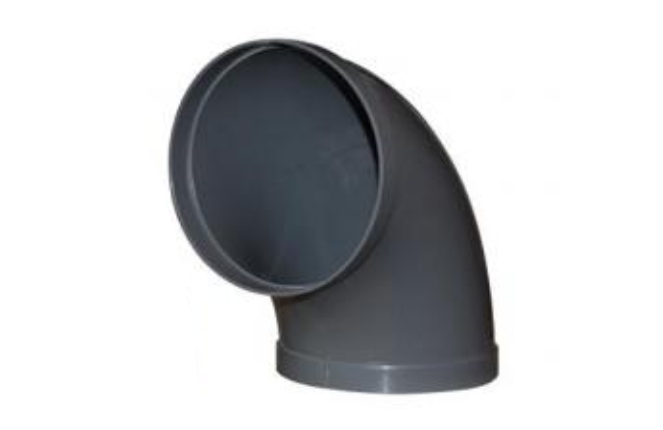
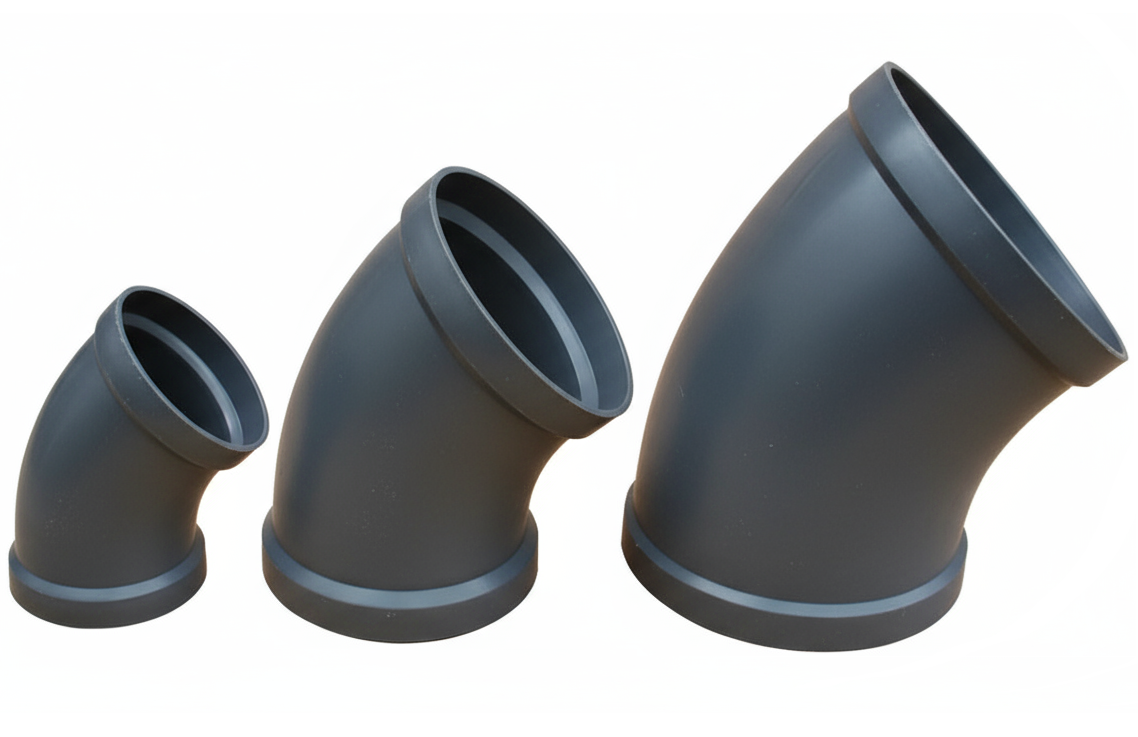
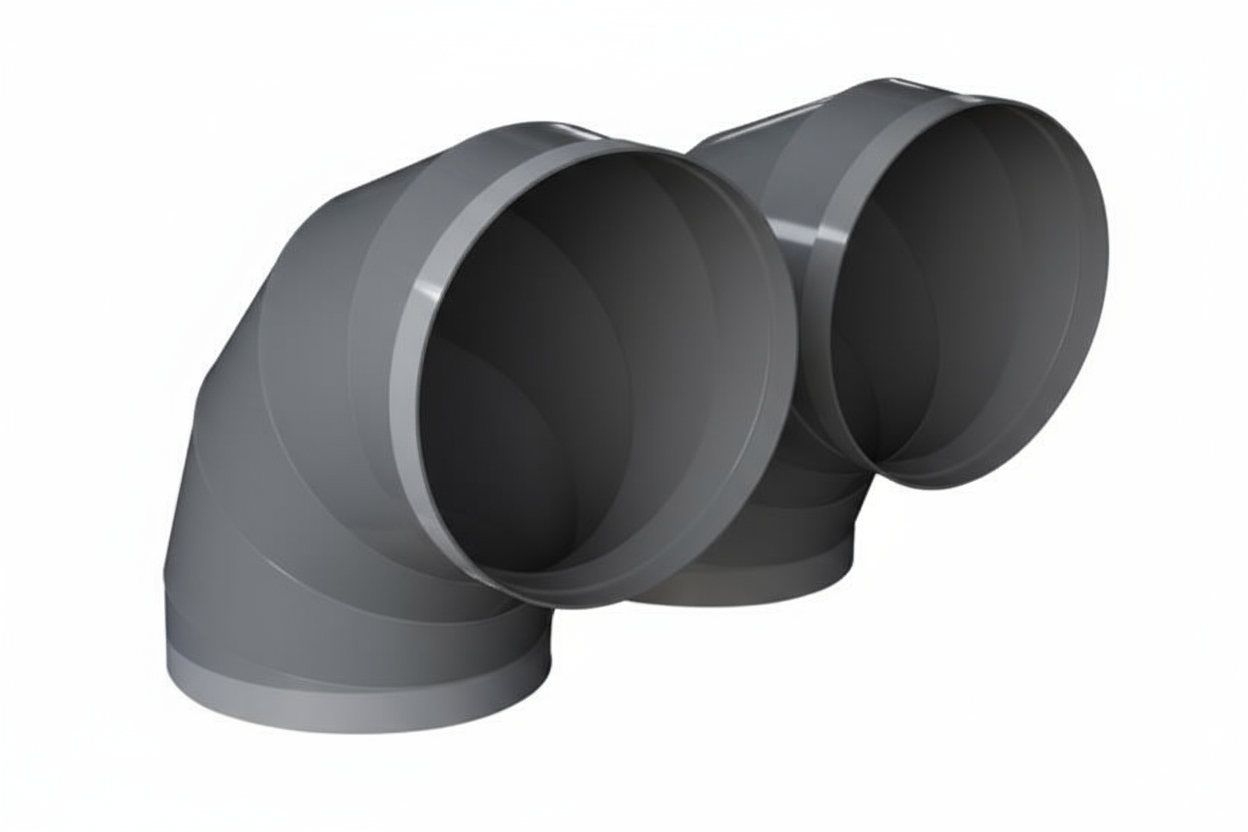
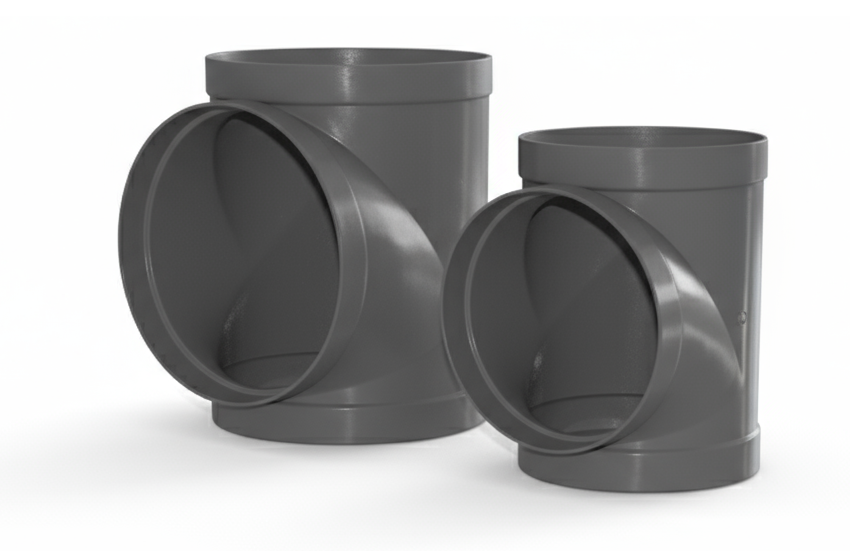
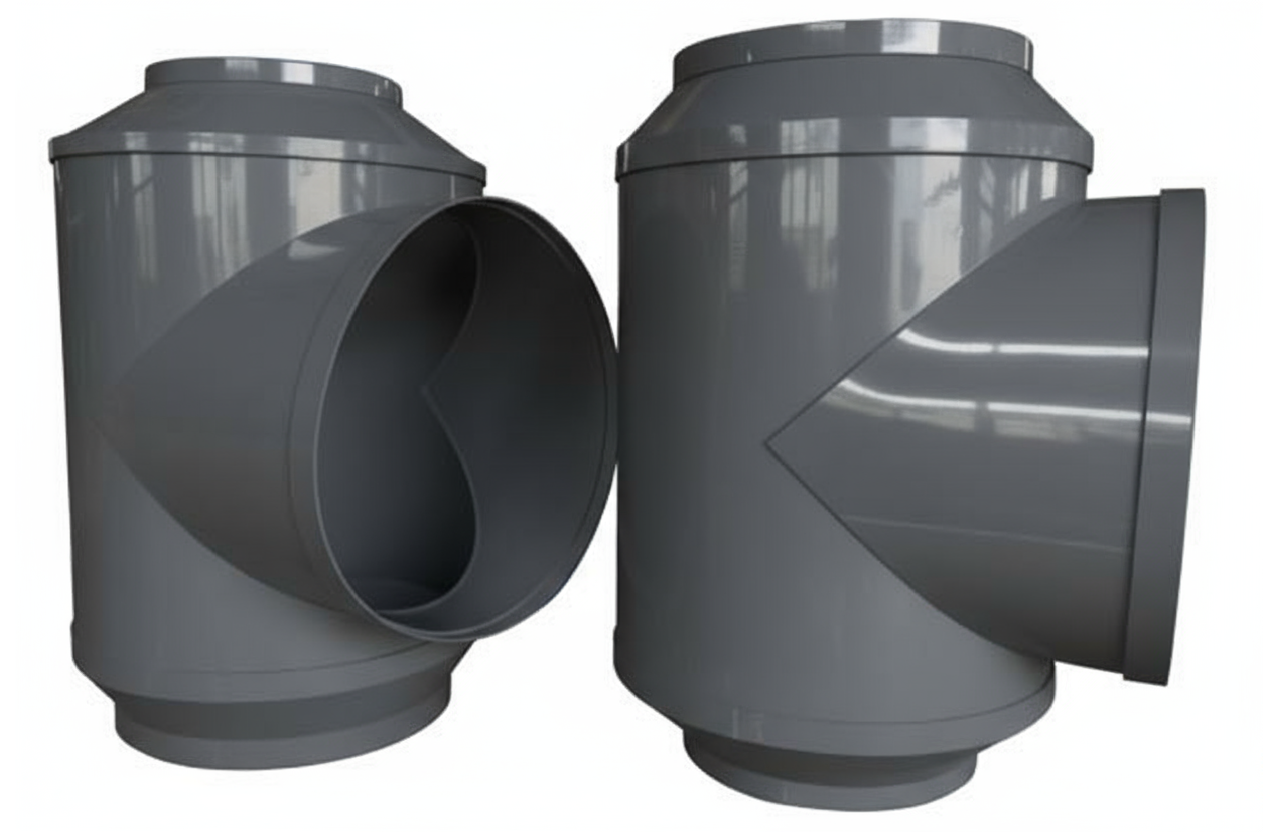
Available Products in PPs Ventilation Series
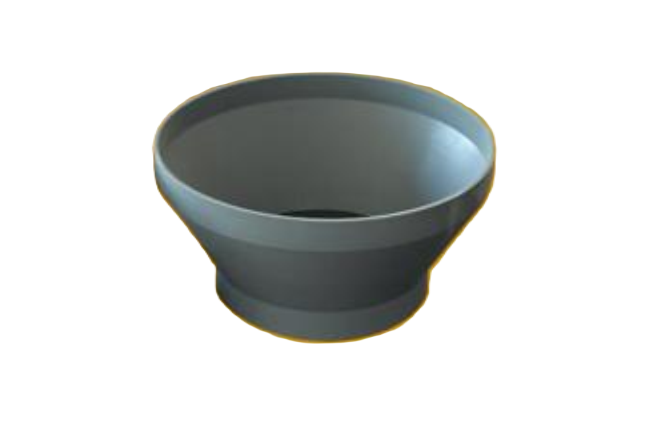
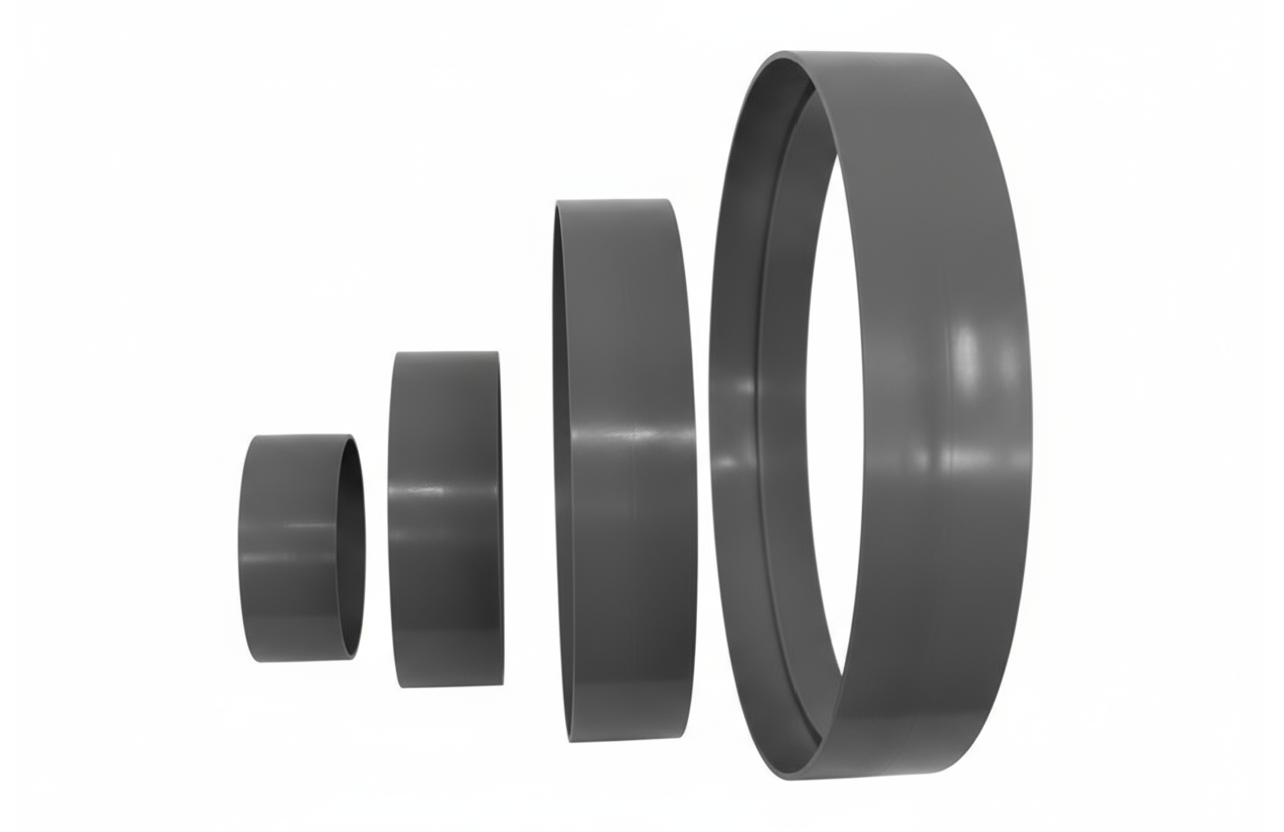
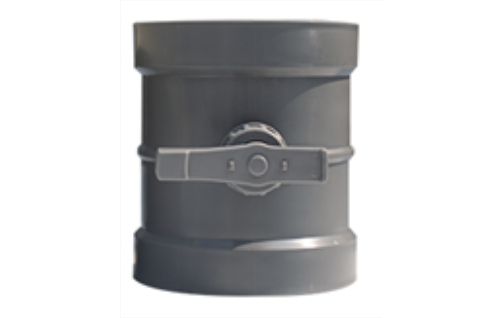
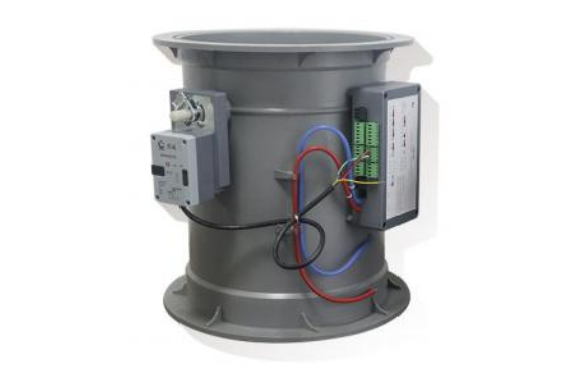
Everything about PPS systems explained.
What is PPS Ventilation Piping used for?
How is PPS better than PVC or Metal?
PPS offers several advantages over conventional PVC and metal piping systems. It provides superior flame retardancy, excellent resistance to aggressive chemicals, higher temperature tolerance, and long-term durability. Unlike metal, PPS does not corrode or rust, and unlike PVC, it maintains performance in more demanding industrial conditions, making it a safer and more reliable choice for critical ventilation applications.