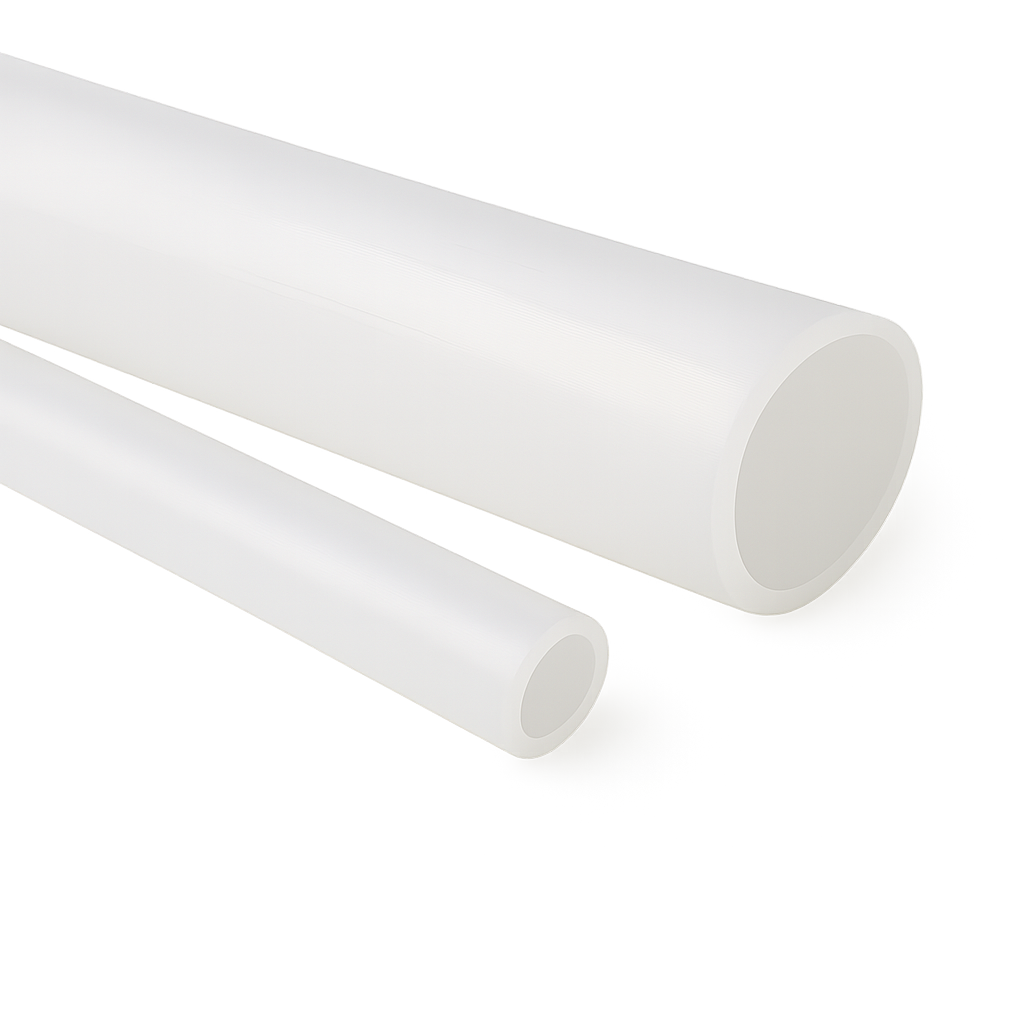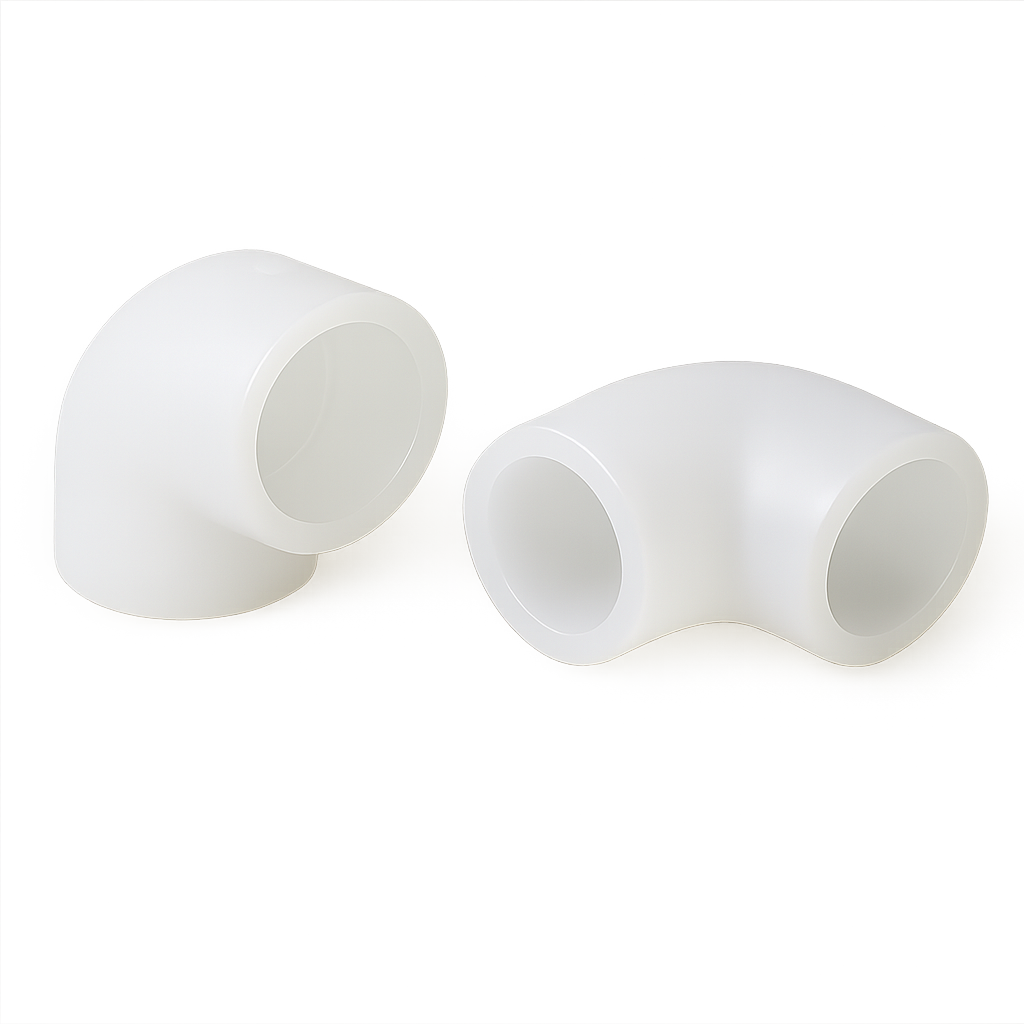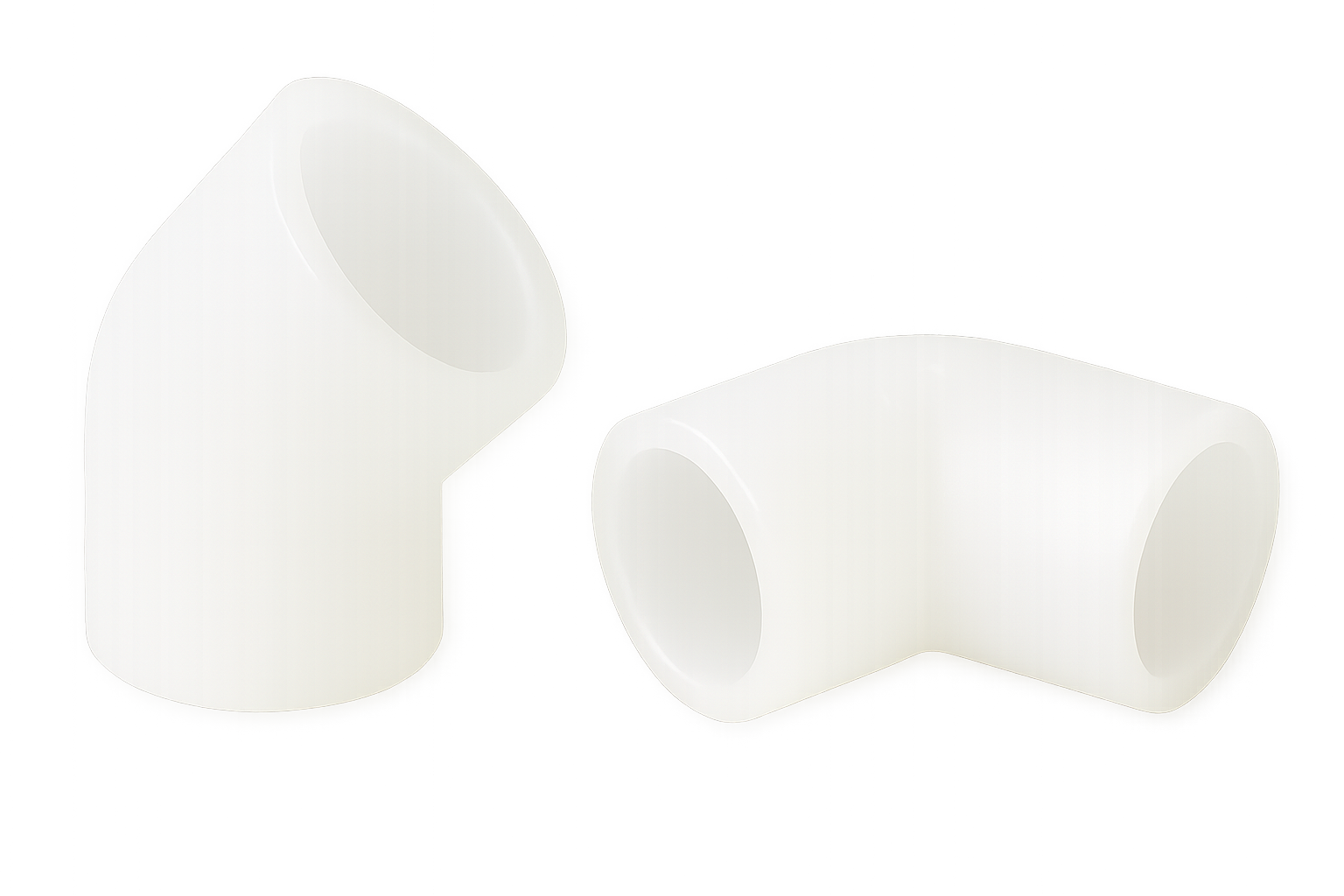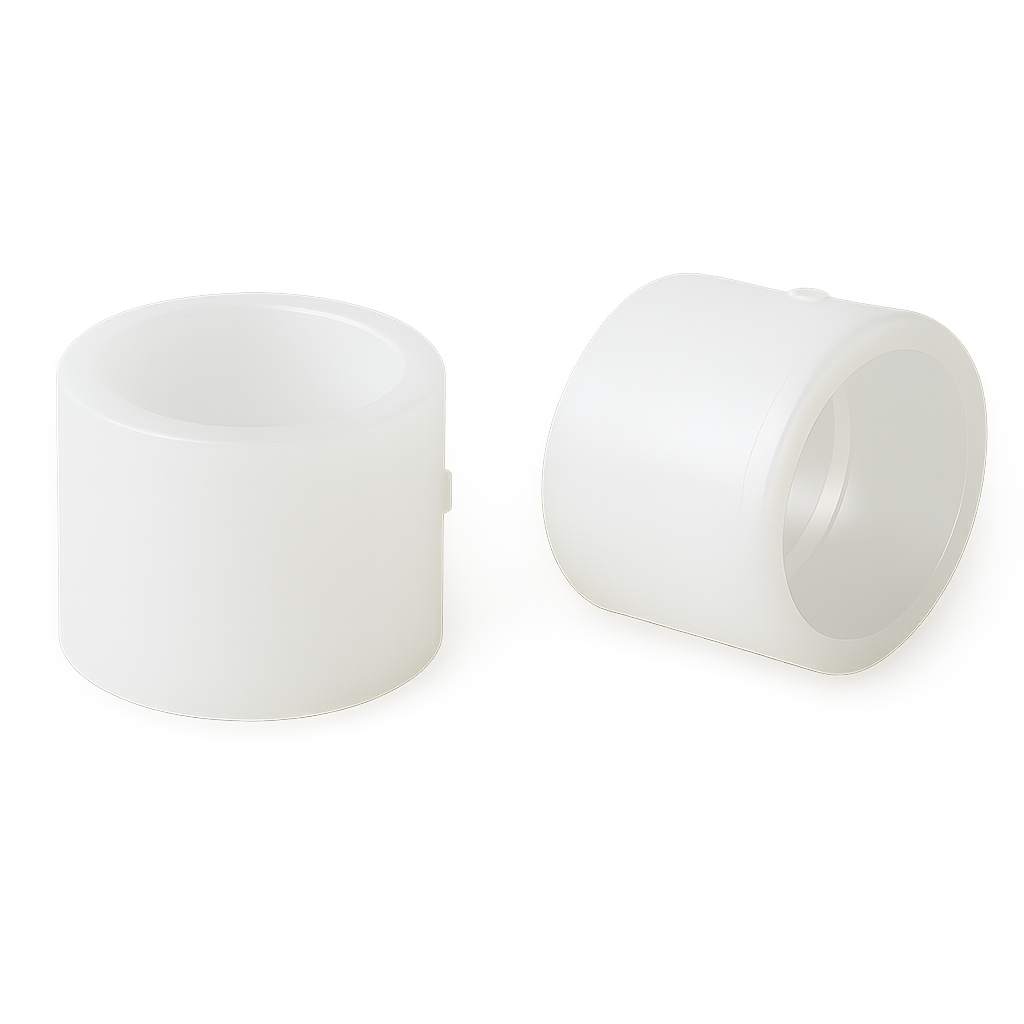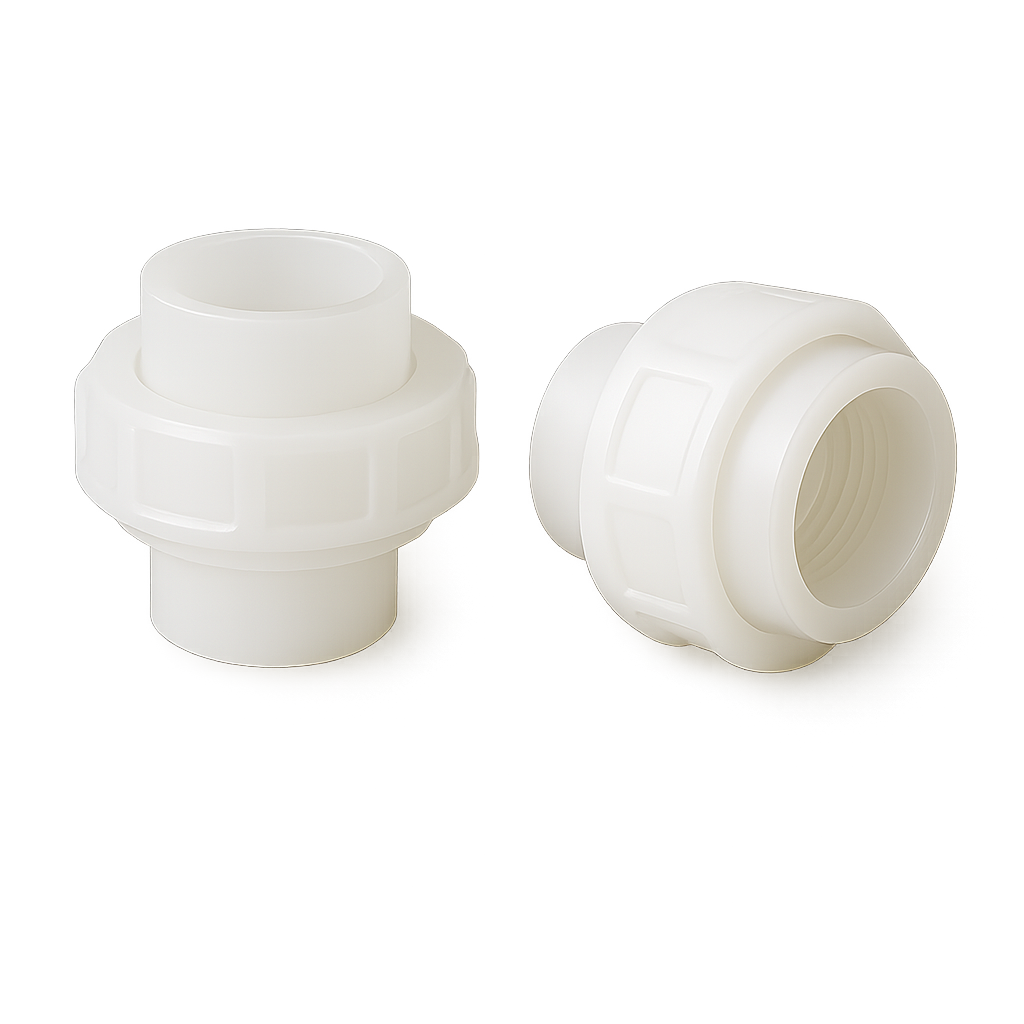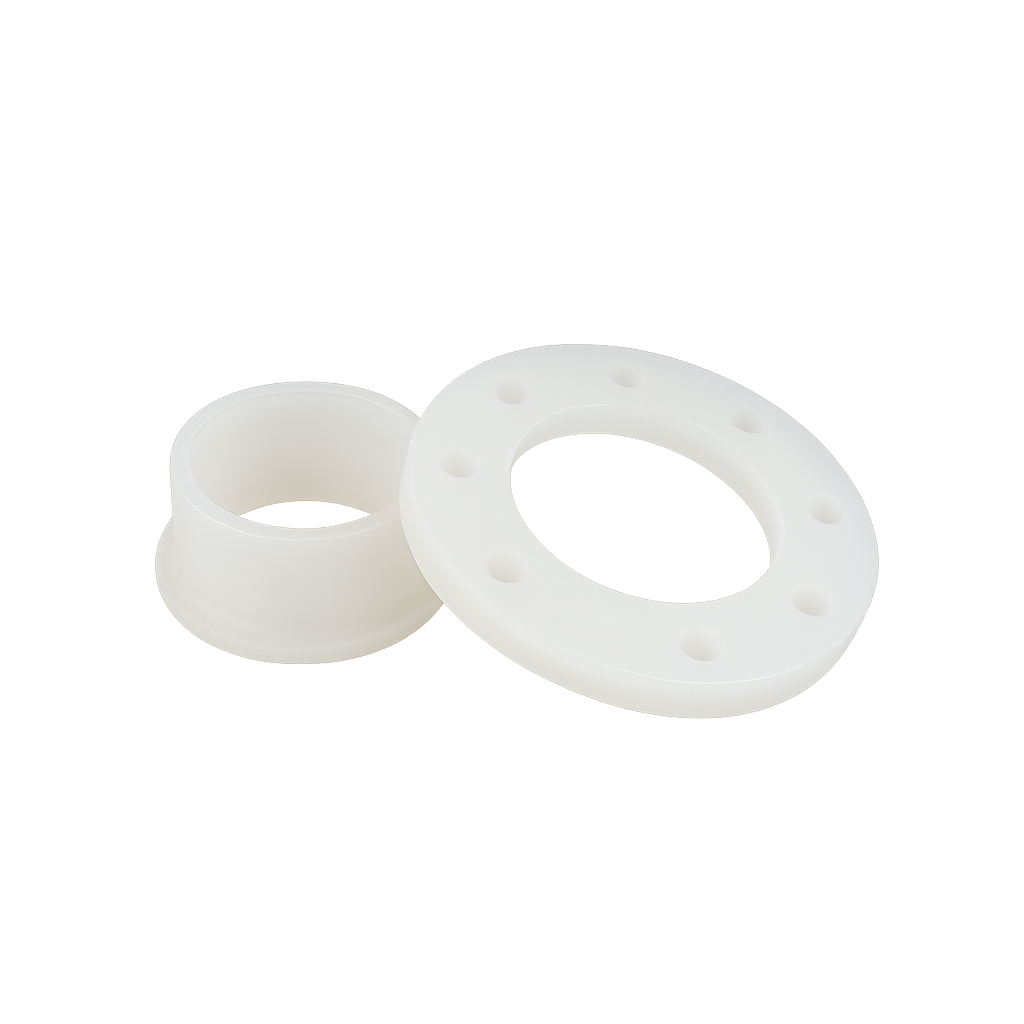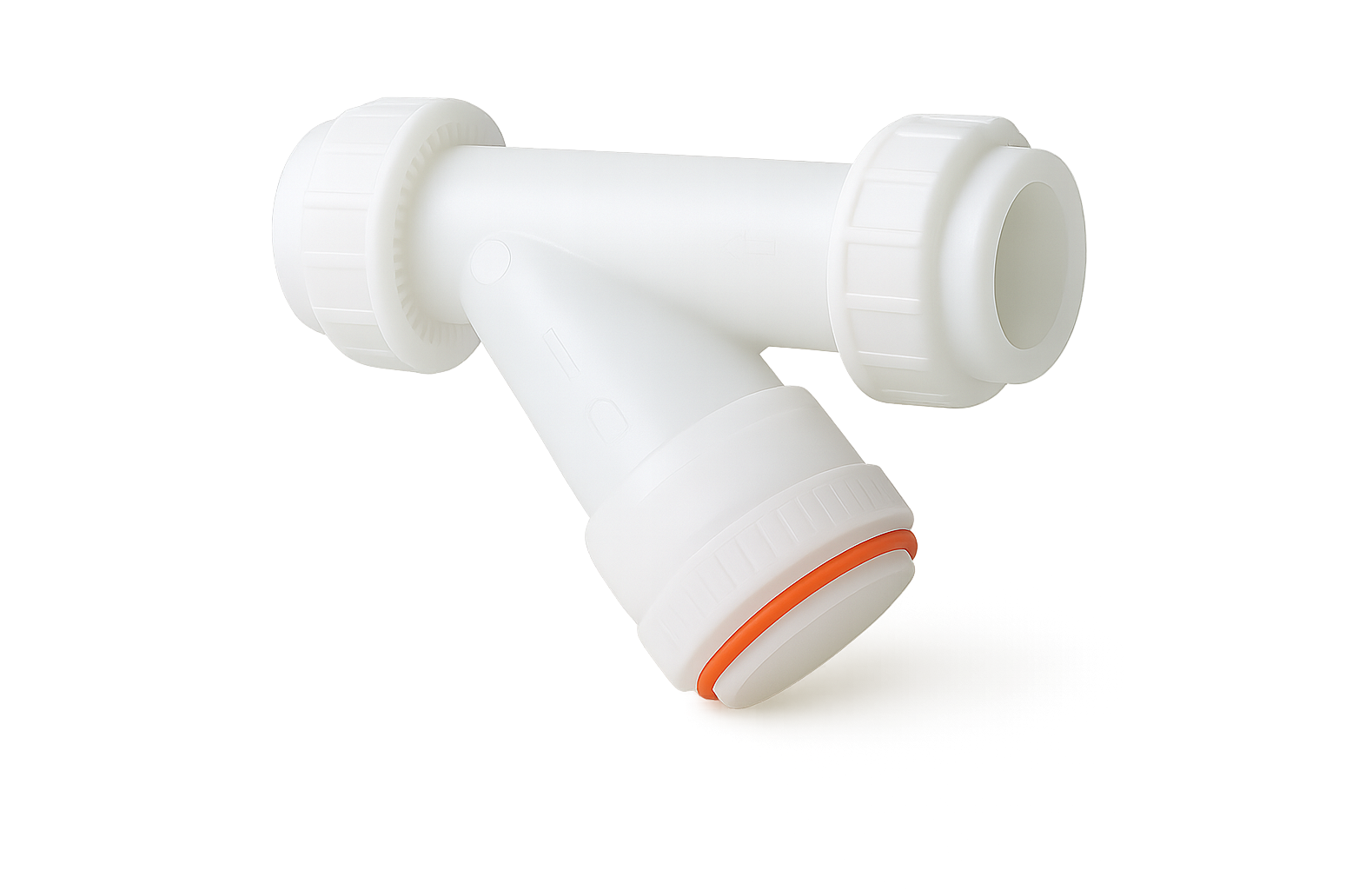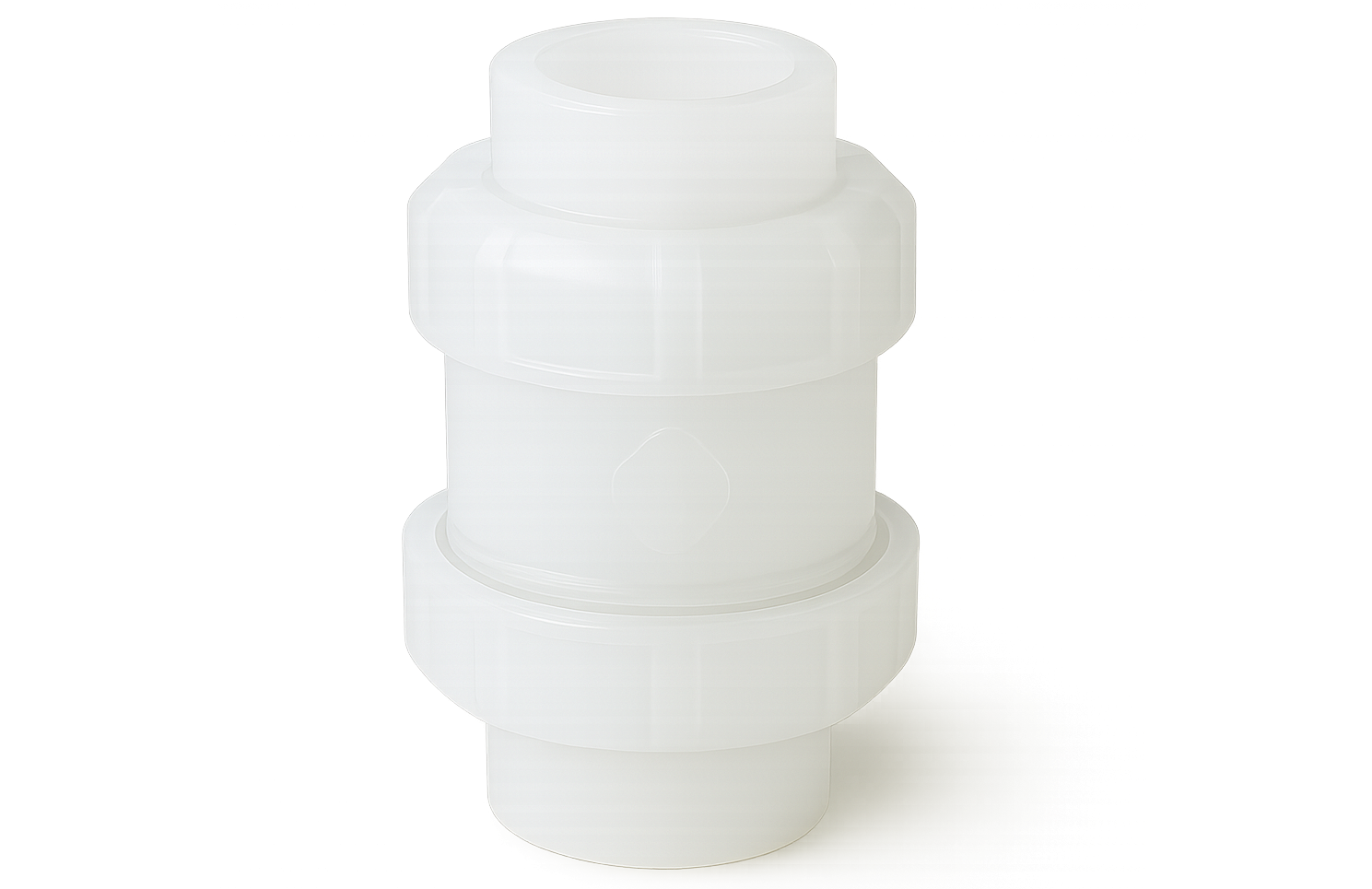
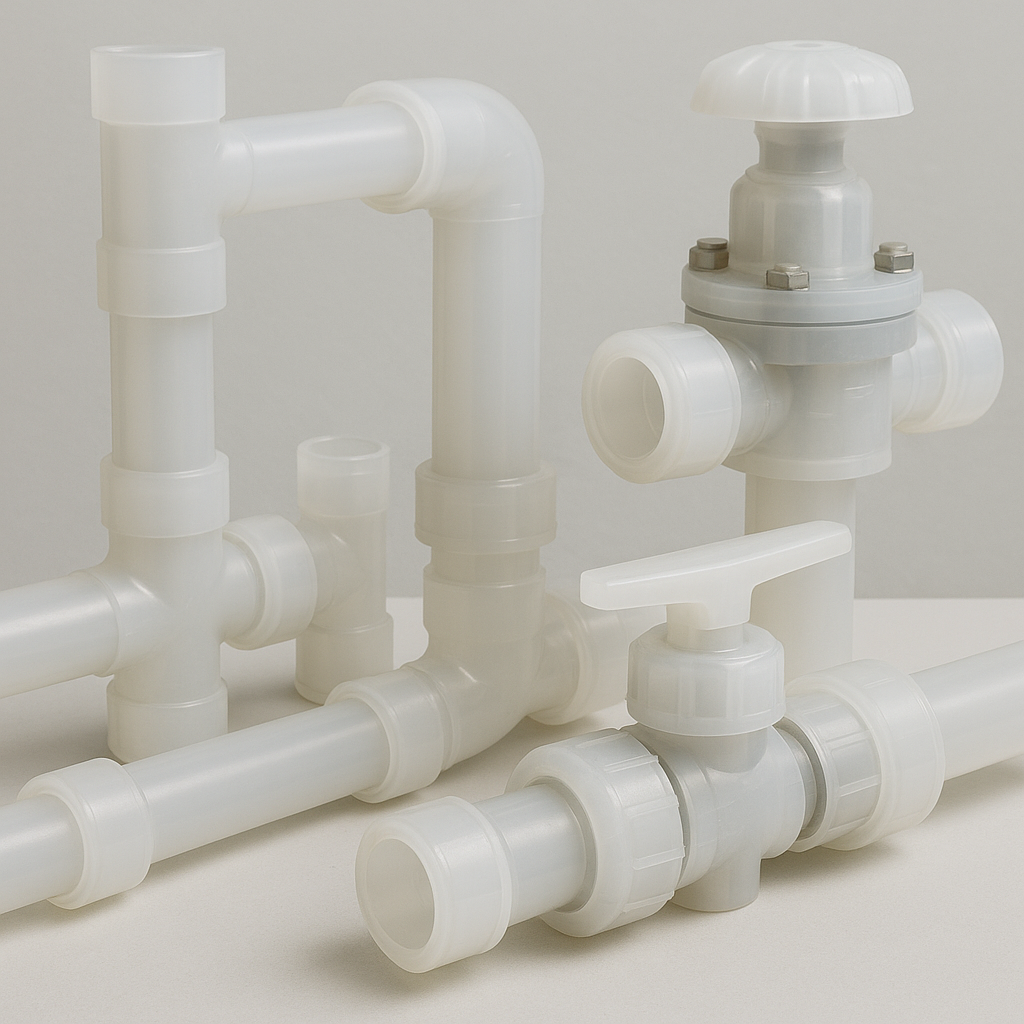
PVDF Piping System
PVDF Piping System – High-Purity Fluoropolymer Pipes & Fittings
Features and Benefits of STARKE PVDF Piping System:
Excellent Chemical Resistance
PVDF is resistant to a wide range of aggressive chemicals, including acids, bases, solvents, and halogens. This makes it ideal for use in chemical processing, semiconductor manufacturing, and wastewater treatment.
High Purity
PVDF is a high-purity material that does not leach contaminants, making it suitable for applications in the pharmaceutical, food and beverage, and ultrapure water industries.
High Temperature Resistance
PVDF can withstand continuous operating temperatures of up to 140°C (284°F) and short-term exposure to even higher temperatures, making it suitable for hot fluid and steam applications.
Mechanical Strength
PVDF pipes and fittings have excellent mechanical properties, including high tensile strength and impact resistance, ensuring durability in demanding environments.
UV and Weather Resistance
PVDF is highly resistant to UV radiation and weathering, making it suitable for outdoor applications without degradation over time.
Lightweight
PVDF is lightweight compared to metal alternatives, making it easier to handle, transport, and install.
Low Thermal Conductivity
PVDF has low thermal conductivity, which helps maintain the temperature of fluids being transported and reduces the need for additional insulation.
Smooth Interior Surface
The smooth inner surface of PVDF pipes minimizes friction, pressure loss, and the risk of scaling or buildup, ensuring efficient fluid flow.
Flame Resistance
PVDF is inherently flame-resistant and has a high limiting oxygen index (LOI), making it suitable for use in fire-prone environments.
Corrosion Resistance
Unlike metal pipes, PVDF does not corrode, rust, or degrade when exposed to moisture or corrosive substances, ensuring a long service life.
Easy Installation
PVDF pipes and fittings can be easily joined using solvent welding, heat fusion, or mechanical connections, creating leak-proof and durable joints.
Non-Toxic and FDA-Compliant
PVDF is non-toxic and complies with FDA regulations, making it safe for use in food, beverage, and pharmaceutical applications.
Electrical Insulation
PVDF is an excellent electrical insulator, making it suitable for use in electrical and electronic applications.
Cost-Effective
While PVDF is more expensive than some other plastics, its durability, low maintenance requirements, and long service life make it a cost-effective choice in the long run.
Applications of PVDF piping
- Food & Beverage
- Oil & Gas
- Pulp & Paper
- Power Plants
- Metal Finishing
- Mining & Metallurgical
- Laboratories/Research
- Construction/Solar
1. Chemical Processing
Used for transporting highly corrosive chemicals, acids, solvents, and other aggressive agents.
2. Pharmaceutical & Biotechnology
Ensures sterile, contamination-free fluid transport required for manufacturing medicines and high-purity products.
3. Water & Wastewater Treatment
Handles aggressive fluids, desalination, and high-purity water distribution for both potable and process water systems.
4. Semiconductor & Electronics
Essential for ultrapure water systems, chemical delivery lines, and cleanroom environments where contamination must be minimized.
5. Food & Beverage
Hygienic and non-leaching, suitable for transporting food-grade fluids and meeting stringent FDA and sanitary standards.
6. Oil & Gas
Used in pipelines and offshore drilling for handling corrosive fluids and chemical injection processes under high pressure.
7. Power Generation
Utilized in chemical dosing and cooling systems for nuclear and thermal power plants due to its chemical and thermal stability.
8. Pulp & Paper
Enables safe handling of corrosive chemicals in bleaching and paper processing.
9. Metal Finishing & Electroplating
Used for transporting acids, plating solutions, and wastewater due to outstanding corrosion resistance.
10. Mining & Metallurgical
Applied in slurry transport and situations involving erosive or abrasive media.
11. Laboratories & Research
Preferred in high-purity environments for aggressive chemical handling.
12. Construction and Solar Industry
Used for specialized piping in advanced construction and solar PV applications due to durability and UV resistance.
Properties of PVDF Piping Systems
PVDF (Polyvinylidene Fluoride) piping systems are renowned for their unique blend of chemical, mechanical, thermal, and electrical properties. This combination makes PVDF pipes an excellent choice in demanding environments where performance and reliability are crucial.
1. Chemical Resistance
Exceptional resistance to a wide range of acids, bases, solvents, and other aggressive chemicals.
Maintains integrity even with strong acids like sulfuric, hydrochloric, and hydrofluoric acids.
Very low ion leaching, suitable for ultra-pure fluid and chemical transport.
2. Thermal Stability and Temperature Resistance
Operational temperature range: -40°C to 140°C (short-term resistance up to 150°C).
High melting point (typically 154–184°C).
Maintains mechanical and chemical properties at elevated temperatures.
3. Mechanical Properties
High tensile strength: Typically ranges from 36 to 56MPa at 23°C.
High flexural strength and rigidity; flexural strength around 80–100MPa.
Excellent impact and compressive strength; highly resistant to shocks, deformation, and high loads.
Good abrasion and wear resistance.
4. Electrical and Insulation Properties
Excellent electrical insulation and di-electric properties.
High dielectric strength (260–950kV/mm) and good resistance to leakage currents.
5. UV, Radiation & Weather Resistance
Resistant to ultraviolet (UV) radiation and gamma rays, suitable for outdoor and high-radiation settings.
Maintains strength and color when exposed to sunlight and harsh weather conditions.
6. Fire and Flame Resistance
Self-extinguishing, with a limiting oxygen index (LOI) of 44% (does not support combustion).
Meets flammability ratings for safety in hazardous environments.
7. Purity and Non-Toxicity
High purity and chemical inertness, making it safe for potable water, food, and pharmaceutical uses.
Non-toxic and suitable for high-purity and sanitary applications.
8. Physical and Handling Features
Lightweight—about 70% lighter than equivalent metal pipes—simplifies installation and handling.
Good thermoplasticity and weldability for ease of fabrication and system integration.
Durable, with service life exceeding 20 years in appropriate conditions.
9. Additional Characteristics
Low permeability to most gases and liquids, ensuring containment of transported media.
Good resistance to biological attack, including fungi and bacteria.
Maintains performance under both static and dynamic mechanical stresses.
PVDF Material Properties Chart
Properties | Value | Unit | Test Method | |||||
|---|---|---|---|---|---|---|---|---|
Density | 1.78 | g/cm3 | ASTM D792 | |||||
Tensile Modulus | 1700 – 2300 | MPa | ASTM D638 | |||||
Tensile Strength at Yield | 45–55 | MPa | ASTM D638 | |||||
Tensile Strength at Break | 35–55 | MPa | ASTM D638 | |||||
Elongation at Yield | 5–10 | % | ASTM D638 | |||||
Elongation at Break | > 50 | % | ASTM D638 | |||||
Taber Abrasion Resistance
(1000 cycles, 1000 g, CD-10 Wheel) | 5-10 | mg | ASTM D4060 | |||||
Charpy Notched Impact Strength (23 °C) | 40 – 120 | J/m | ASTM D6110 | |||||
Notched Izod Impact Strength (23 °C) | 110 | KJ/m2 | ASTM D256 | |||||
Durometer Hardness
(Shore D, 1 sec, 2,00 mm) | 73 – 80 | Shore-D | ASTM D2240 | |||||
Water Absorption | <0.04 | % | ASTM D570 | |||||
Physiologically Safe | YES | |||||||